27 March 2026
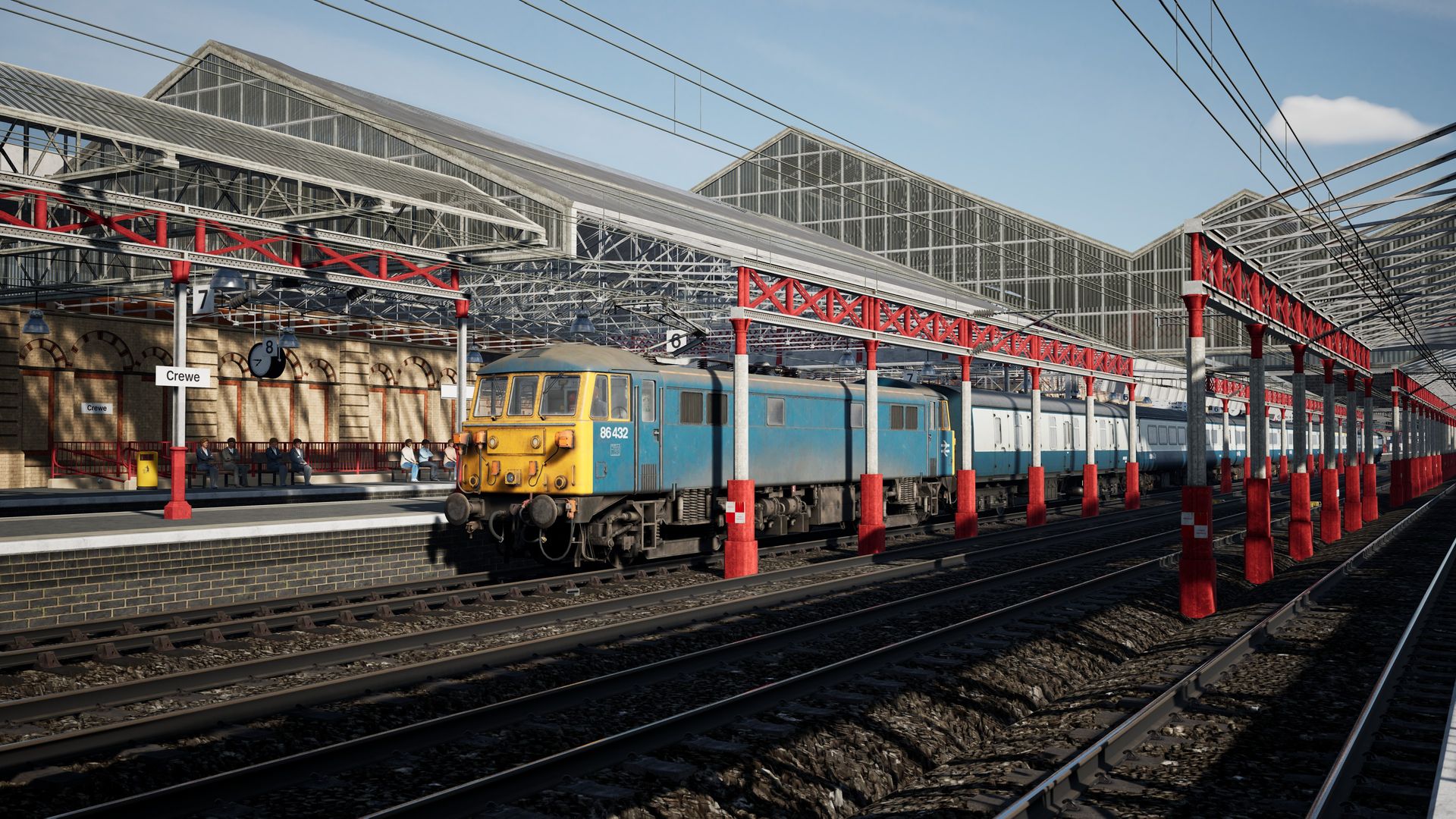
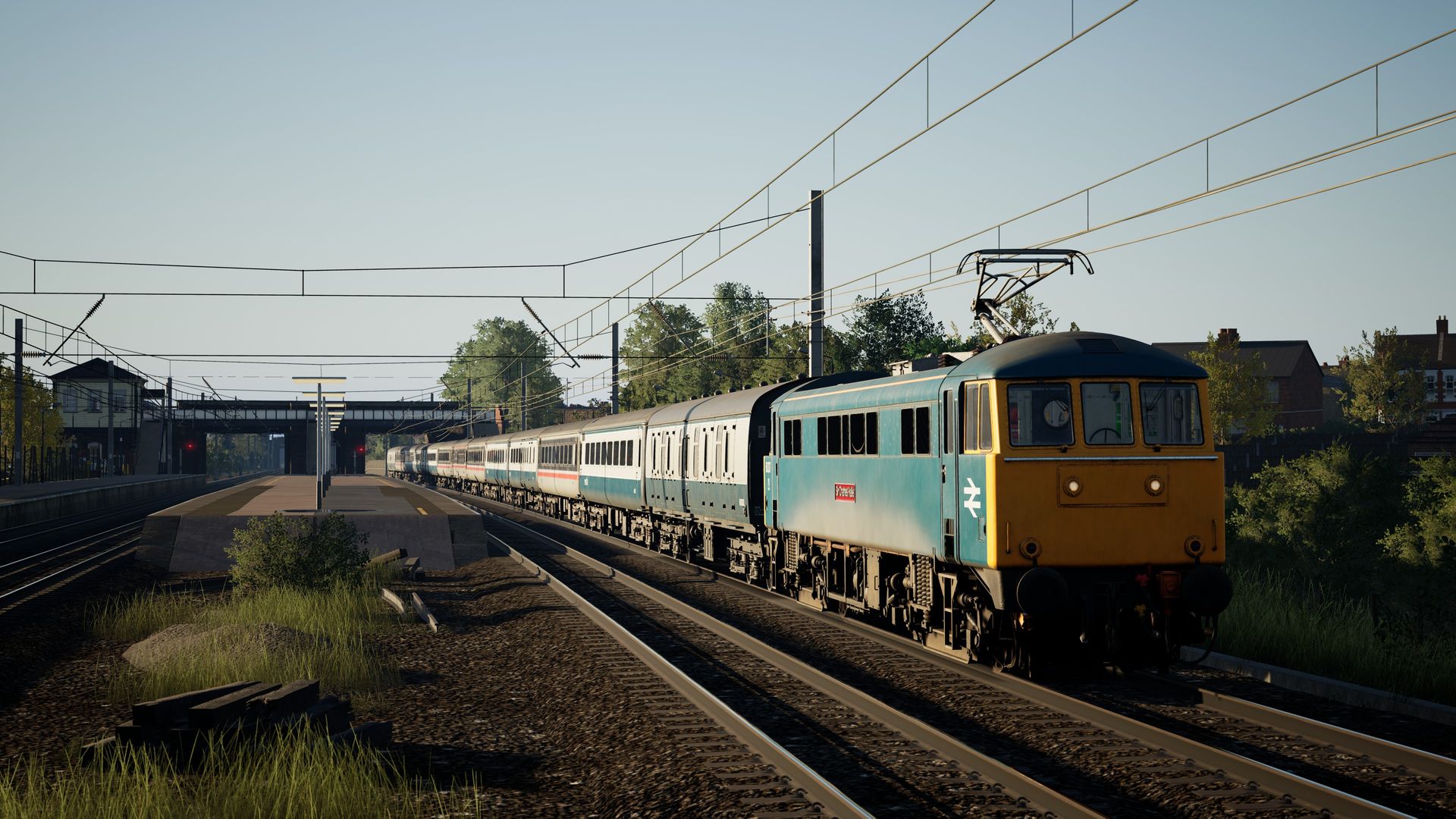
In this development update for the WCML: Crewe to Preston route we focus on the Crewe area, a true railway centre which we have created in detail for everyone to enjoy.
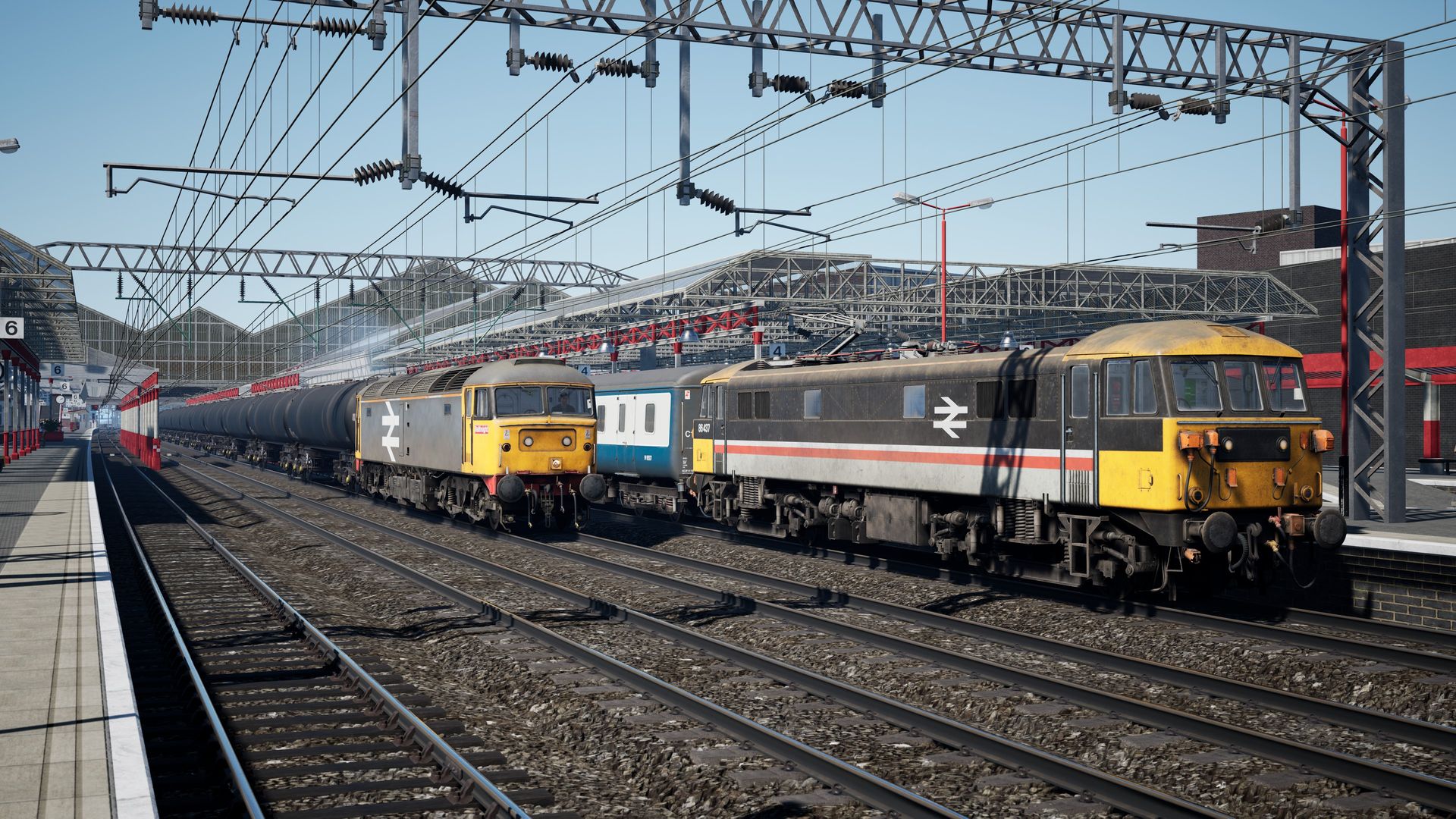
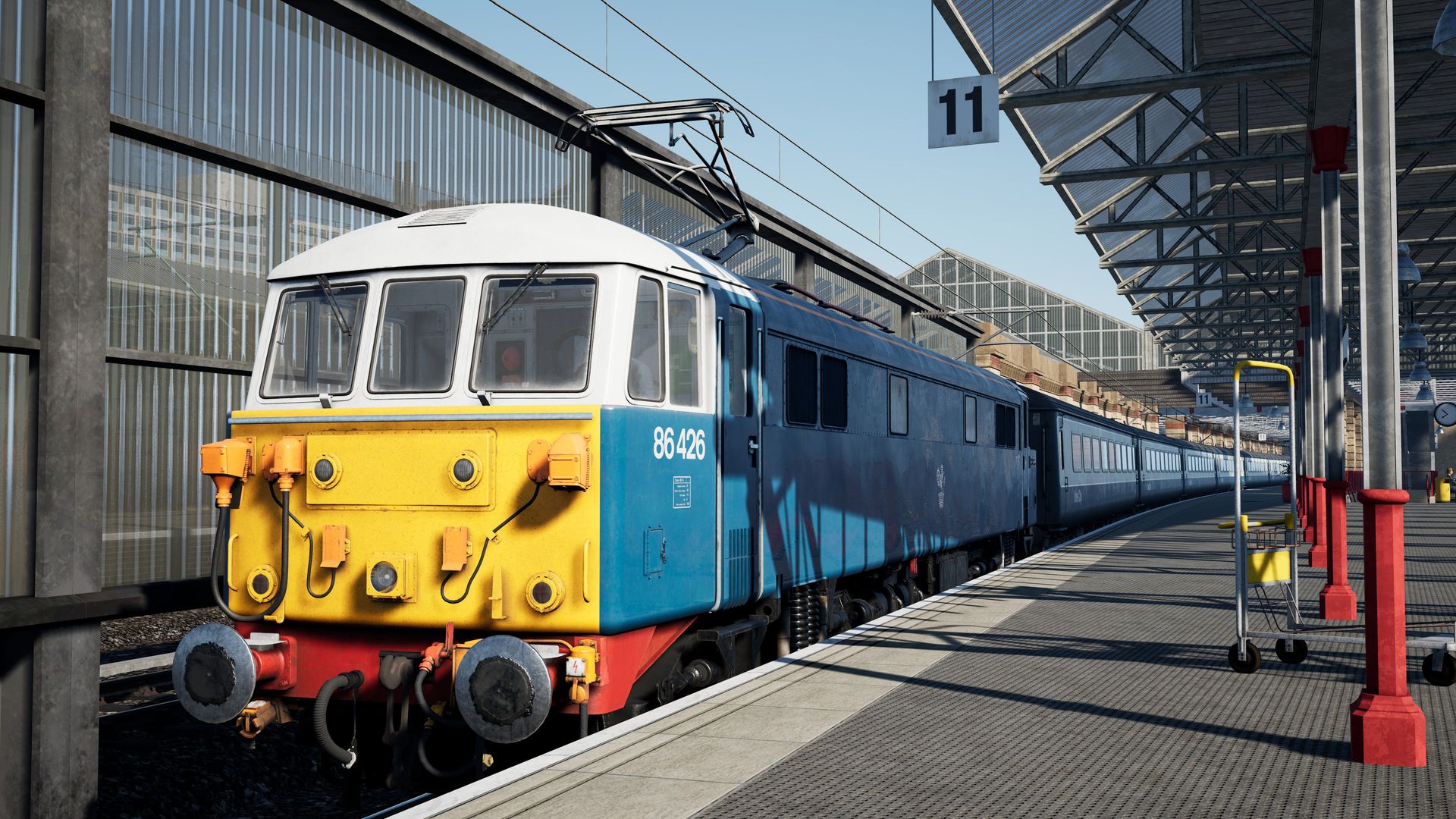
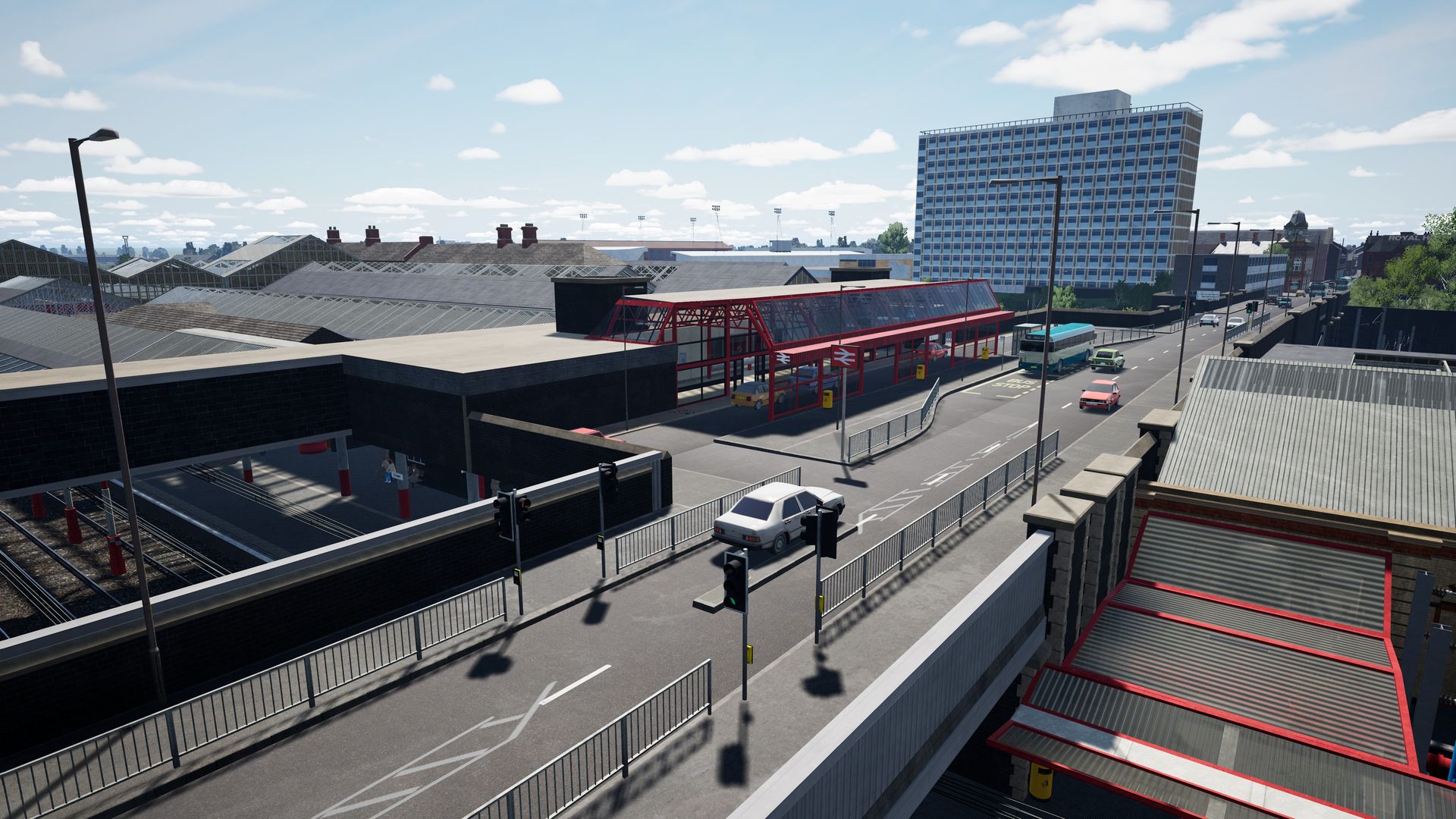
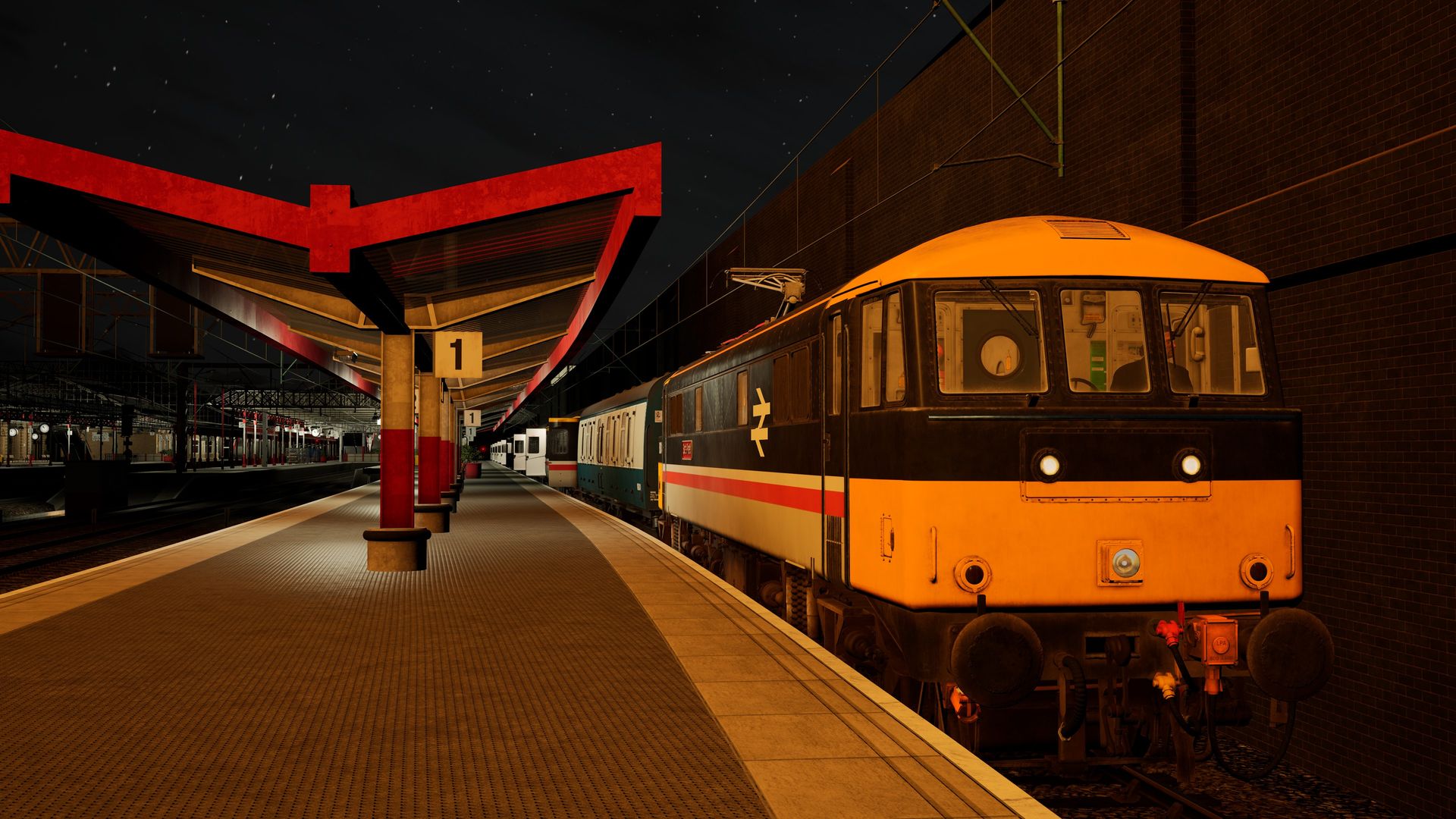
Crewe is well known as a railway centre, with its twelve platforms seeing trains head via six different routes to reach their destinations. We’ve recreated the station area as seen in 1986, just after the significant track and signalling changes that took place in 1985, you’ll find the high speed entries and exits included for WCML services, these were added as a part of the engineering works.
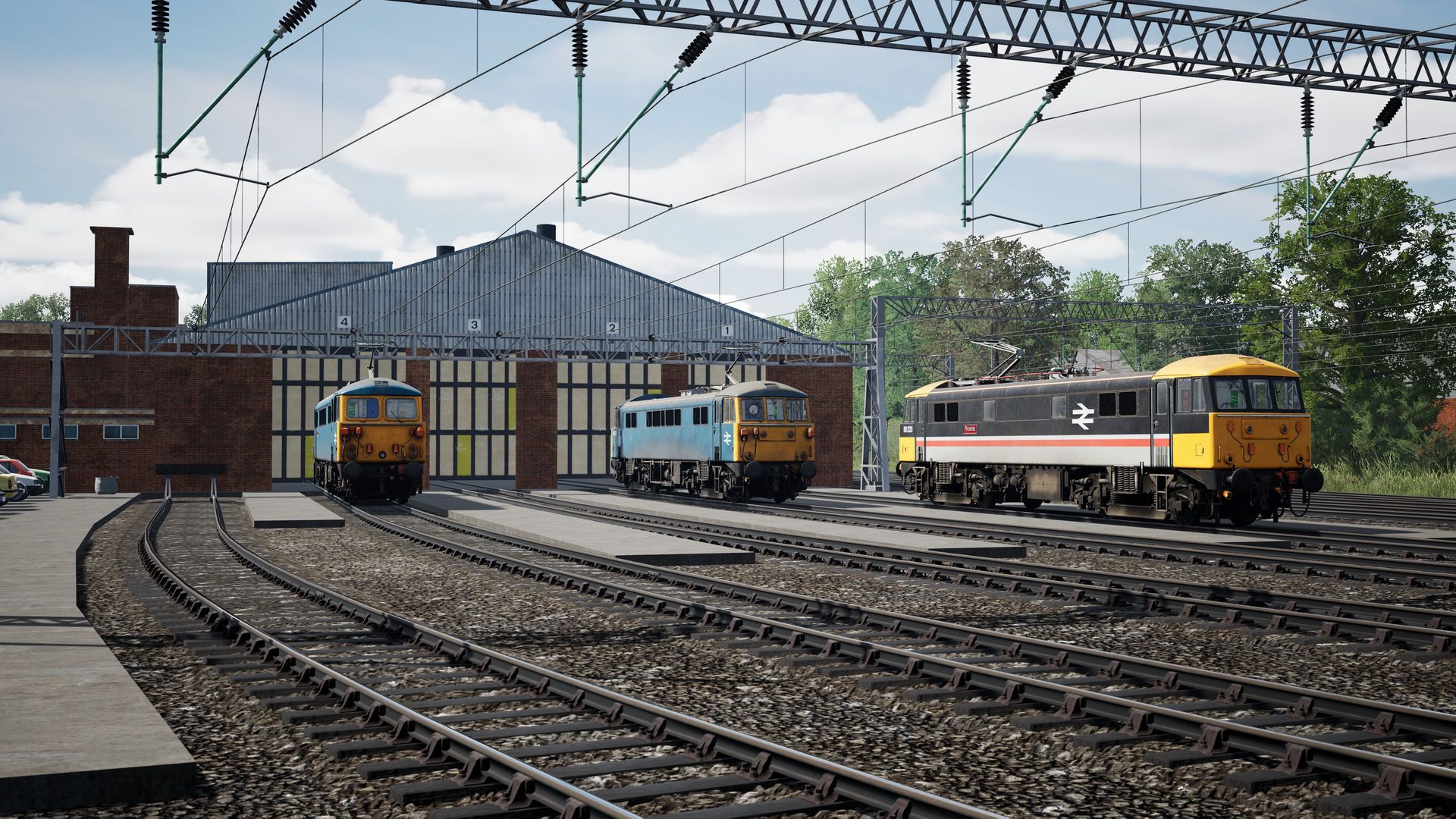
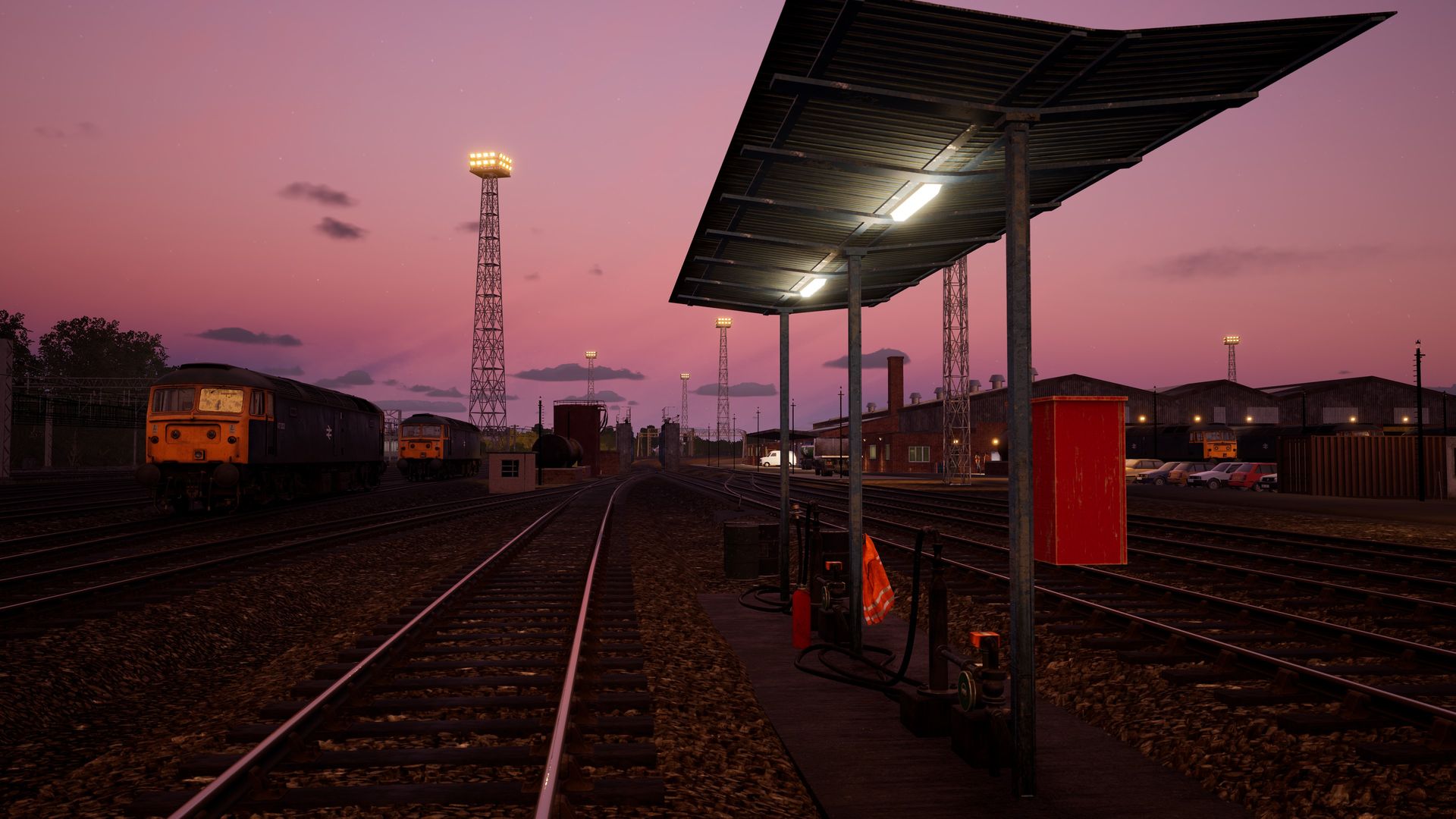
The station itself hasn’t changed an awful lot since 1986, though you’ll find there’s more of an overall roof between platforms 11 and 12, with further differences behind platform 12, where the depot arrival and departure line can be found. The Diesel Depot of course was still in BR operation during 1986 and we’ve recreated this accurately to allow usage both in timetable and free roam modes, you’ll find locomotives coming and going throughout the day as traction changes take place in the station, with other locos heading to various yards to take over freight services. South of the Depot on the east side of the line, Crewe Carriage Sidings can be found, these feature a covered carriage shed and dead end sidings at the south end, both of these see use in the timetable.
On the west side of the line can be found Crewe Coal Sidings and Crewe Basford Hall, more notably. Basford Hall is a stopping point for virtually all freight in the timetable, with the vast majority of trains serving this location heading on the “Independent” avoiding lines which pass behind the Diesel Depot and below Crewe North Junction, Basford Hall features a vast array of sidings.
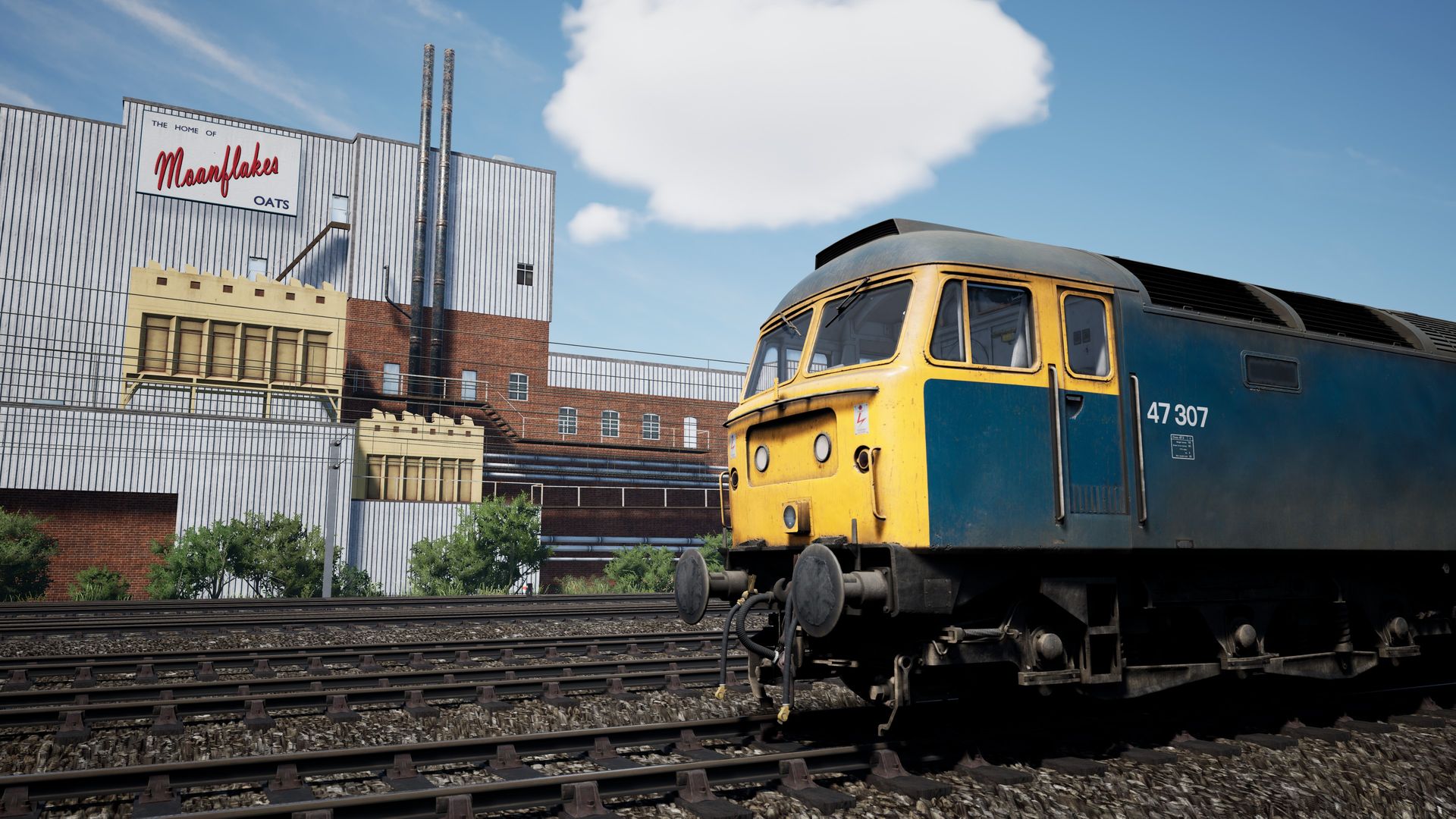
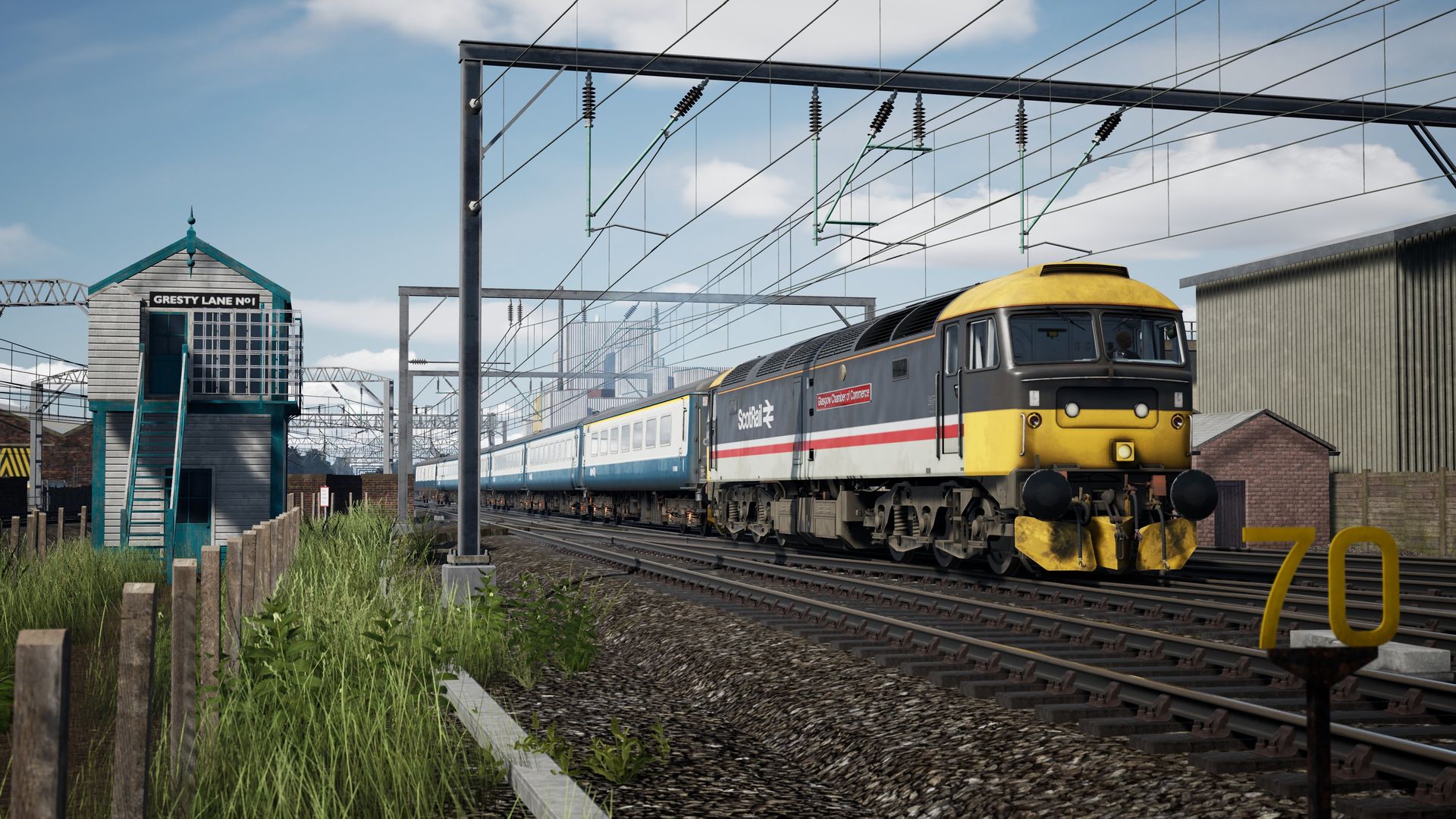
At the South Western Extremity of Crewe can be found Gresty Wagon Works and Gresty Green Yard, both of these are dominated by the cereal factory which overlooks Gresty Lane Junction, which is protected by the similarly named signal box. Gresty Lane Junction sees the line to Shrewsbury head out west, whilst heading east you can access Basford Hall Sidings, Crewe Station, the Diesel Depot and the Independent lines, which can be used to avoid the station itself.
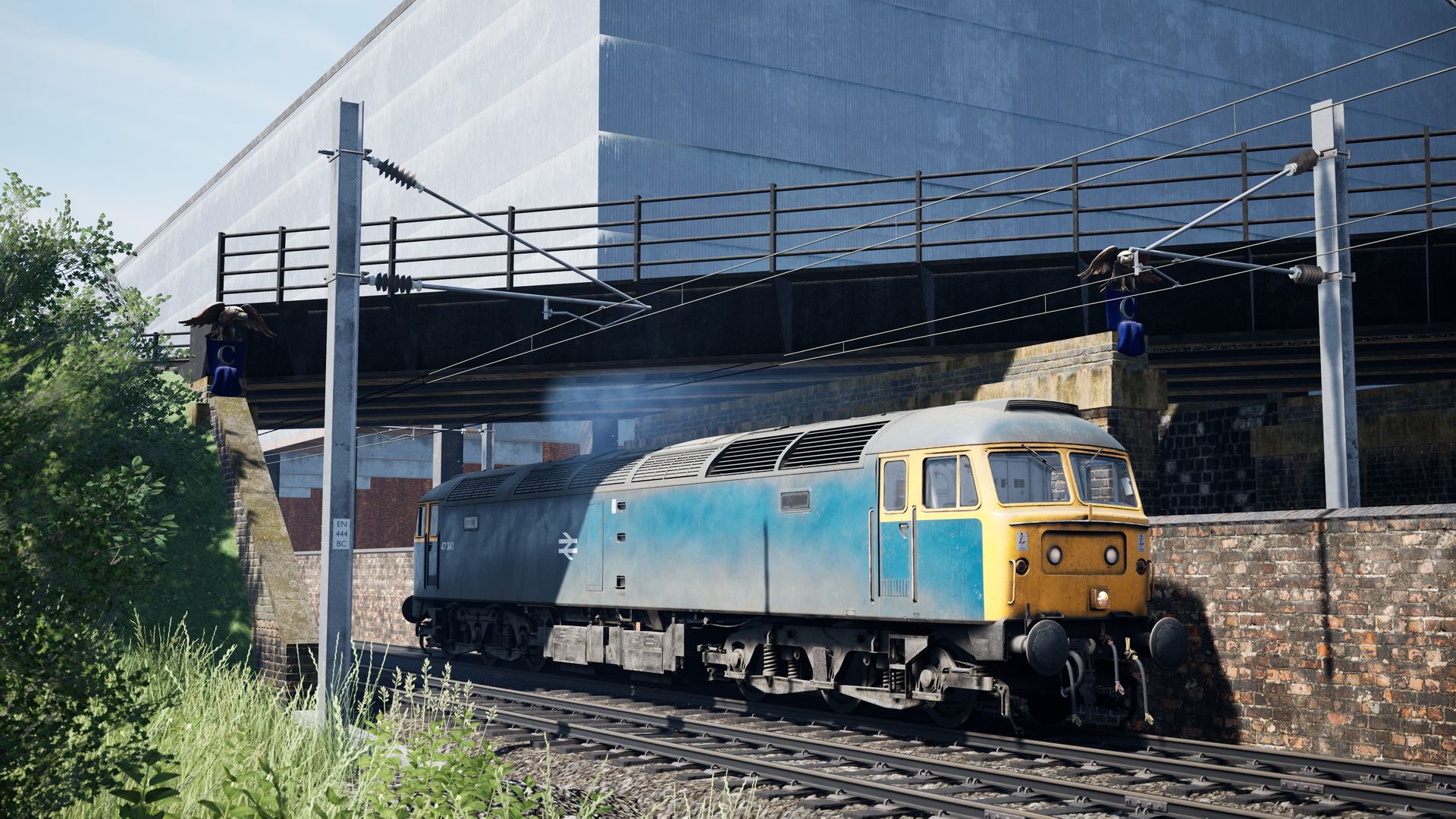
Moving North of Crewe Station you’ll note the empty ground behind Crewe North Junction signal box, this is where the modern day Crewe Heritage Centre can be found, needless to say this didn’t feature in 1986 and was built soon after. Snaking out of Crewe, heading west on the line to Chester we soon reach the Electric Loco Depot, again fully featured and utilised in the timetable mode, along with the legendary Crewe Works, which we have created using a variety of custom assets, note that in this era the method of access differed to latter days, with trains crossing over “Eagle Bridge” from the Electric Depot, of course, the Eagle itself on said bridge has been lovingly created!
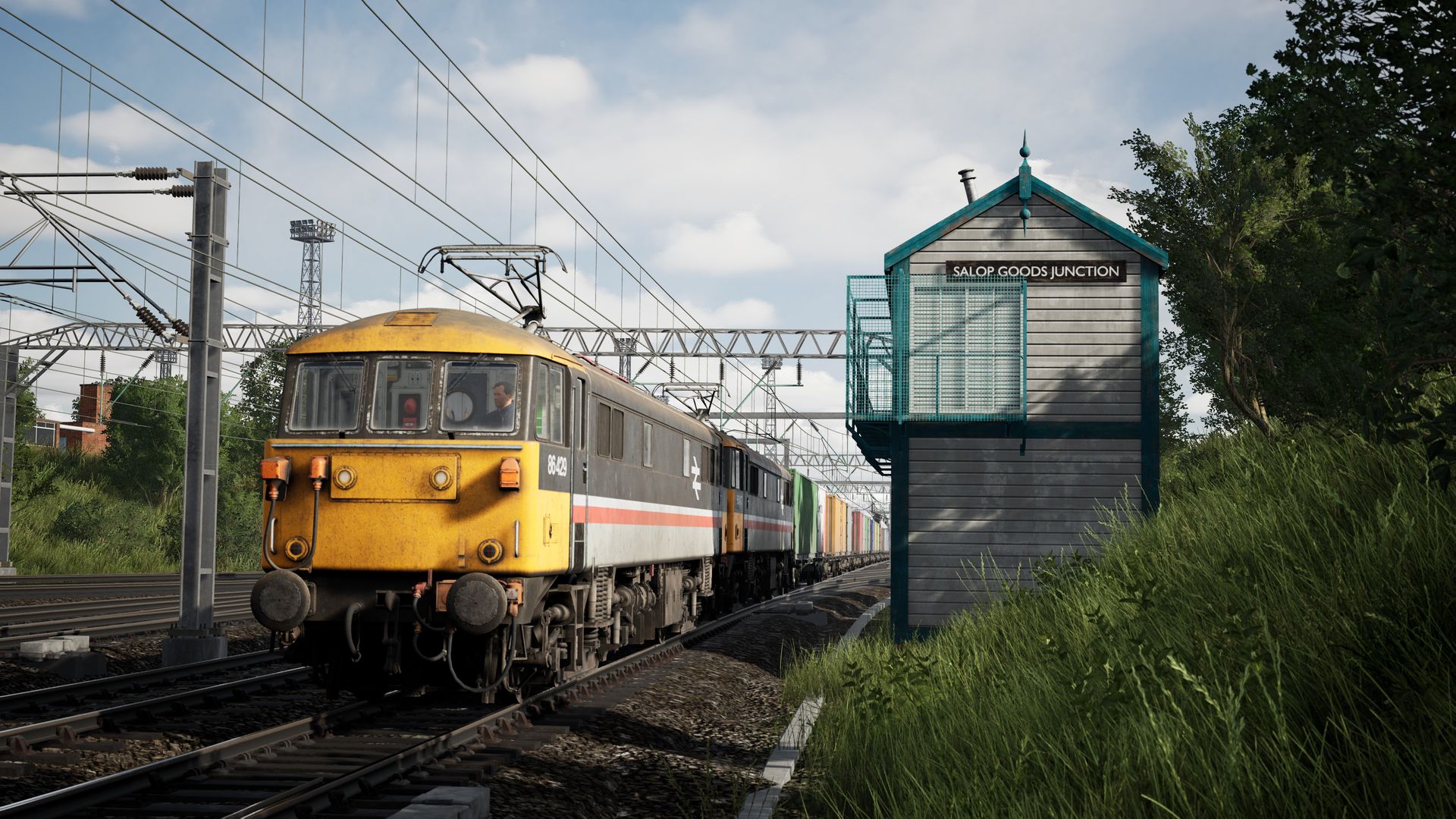
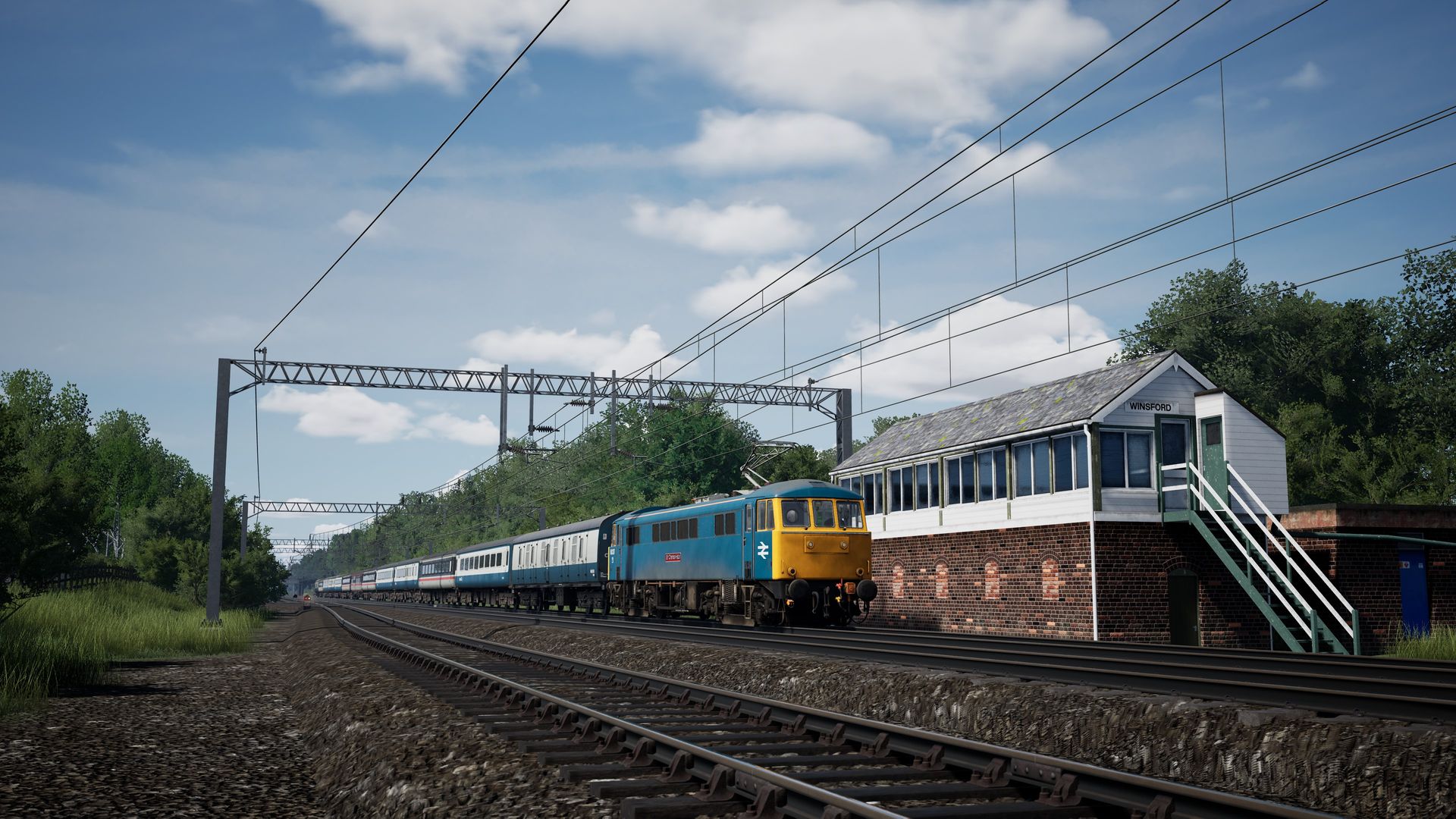
That's it for this update, we hope you've enjoyed it and please take time to check out these WIP screenshots showing Crewe in all of its glory! More updates soon.
09 March 2026
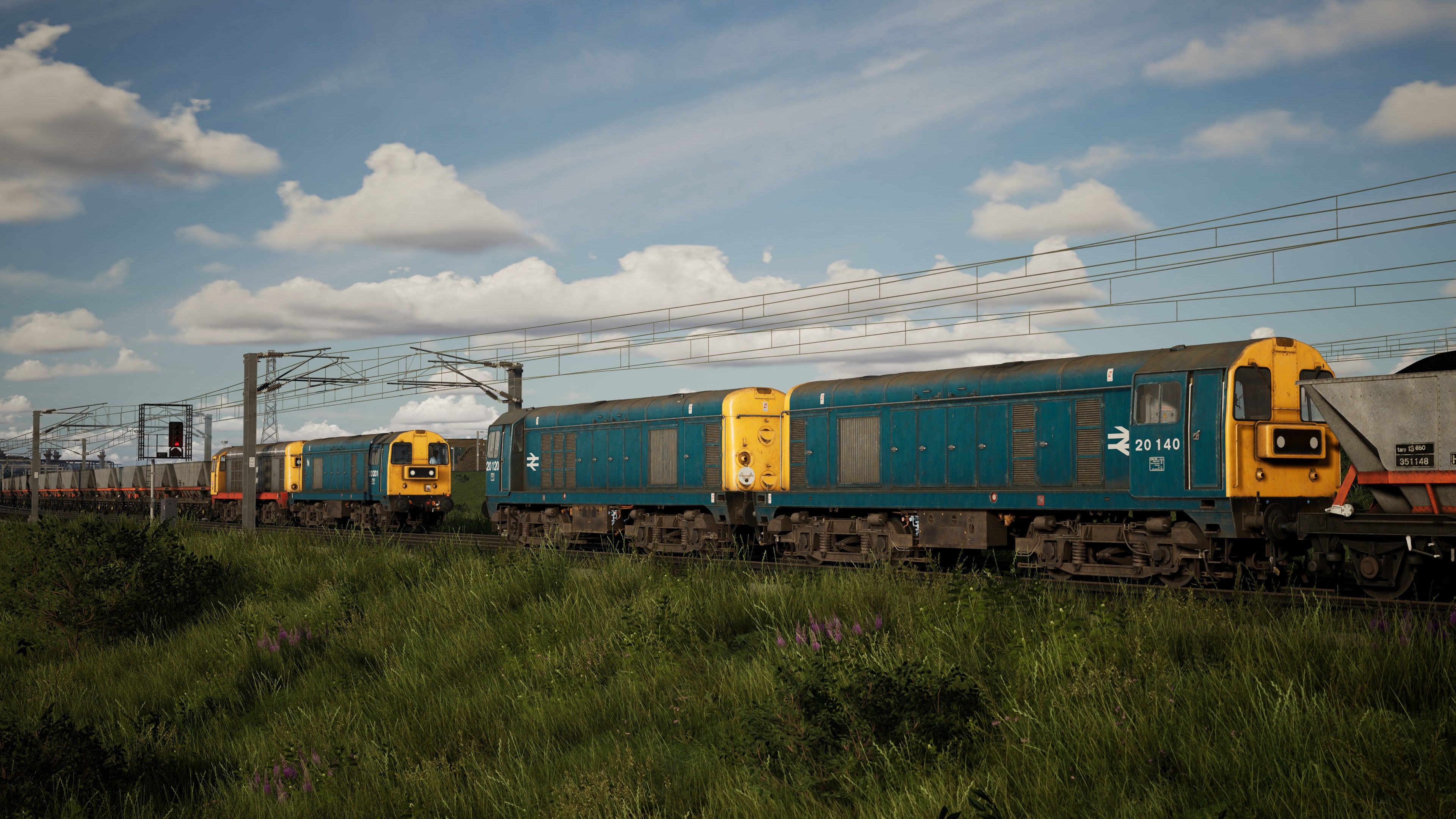
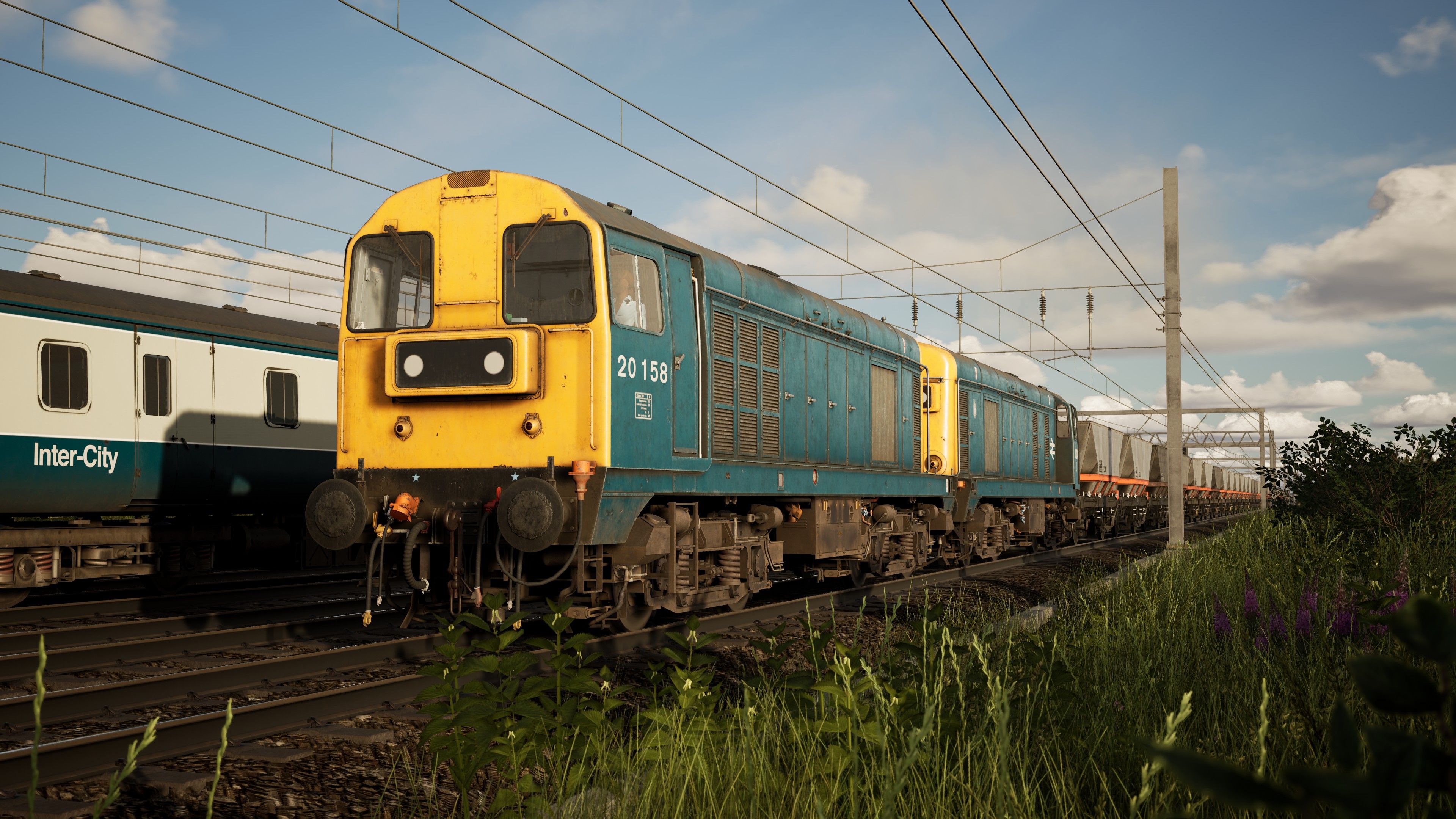
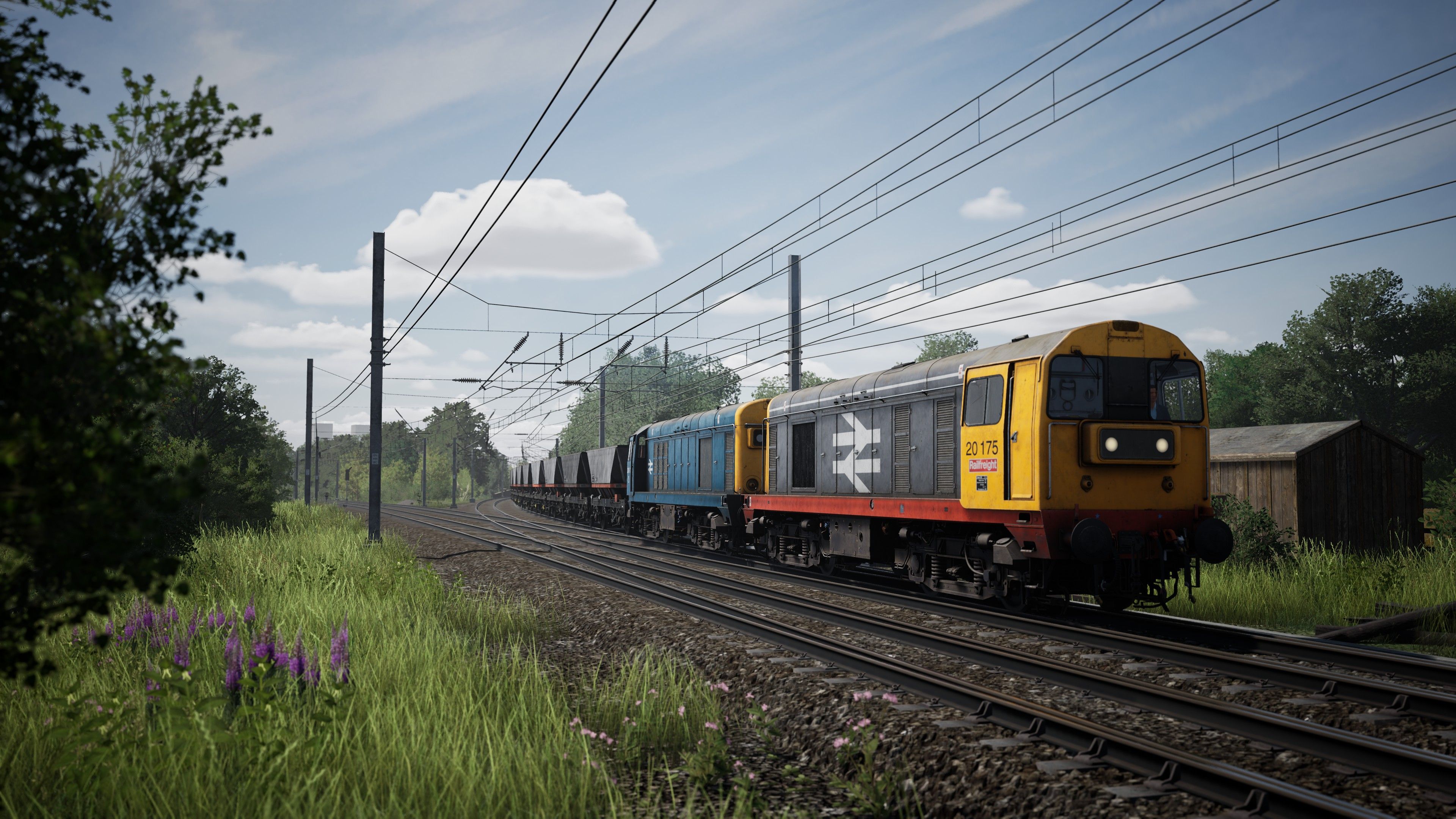
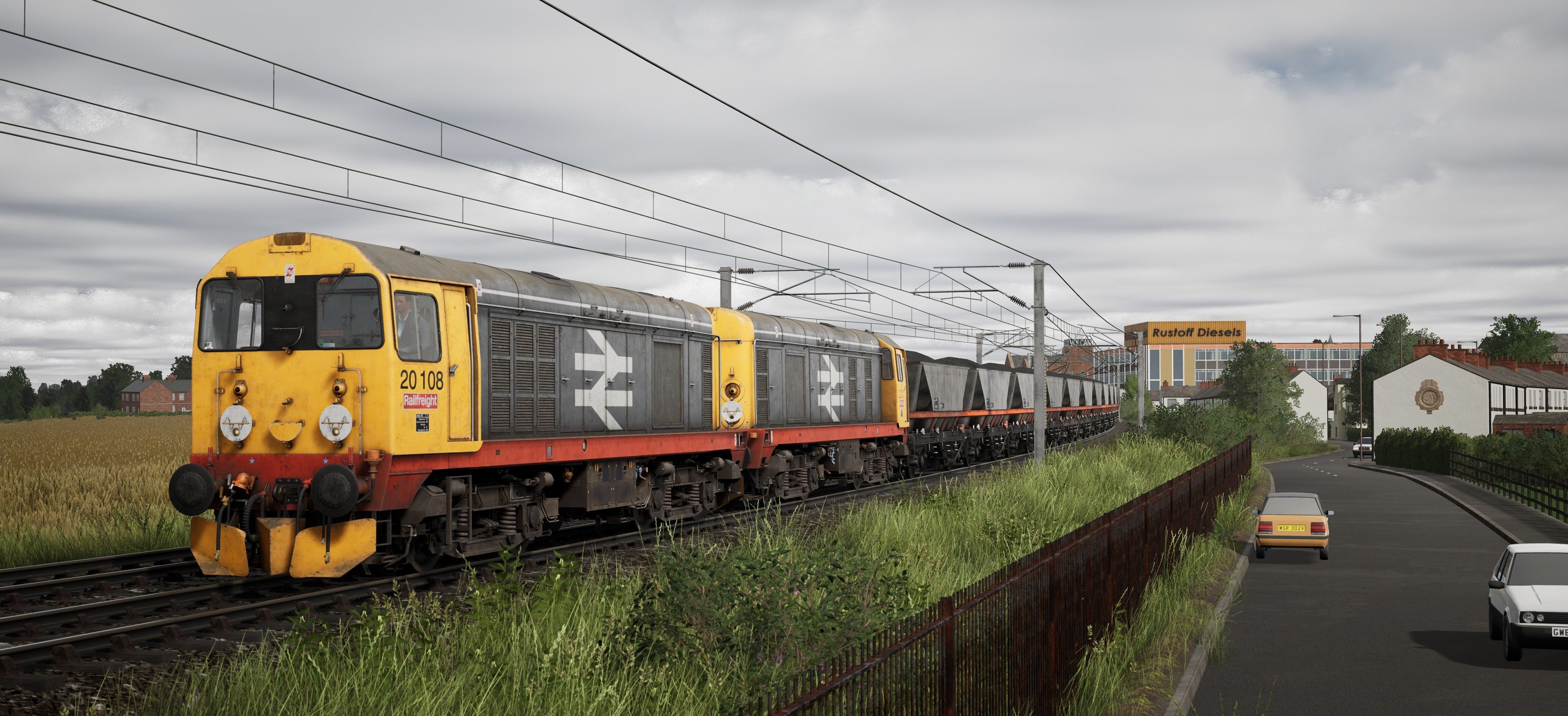
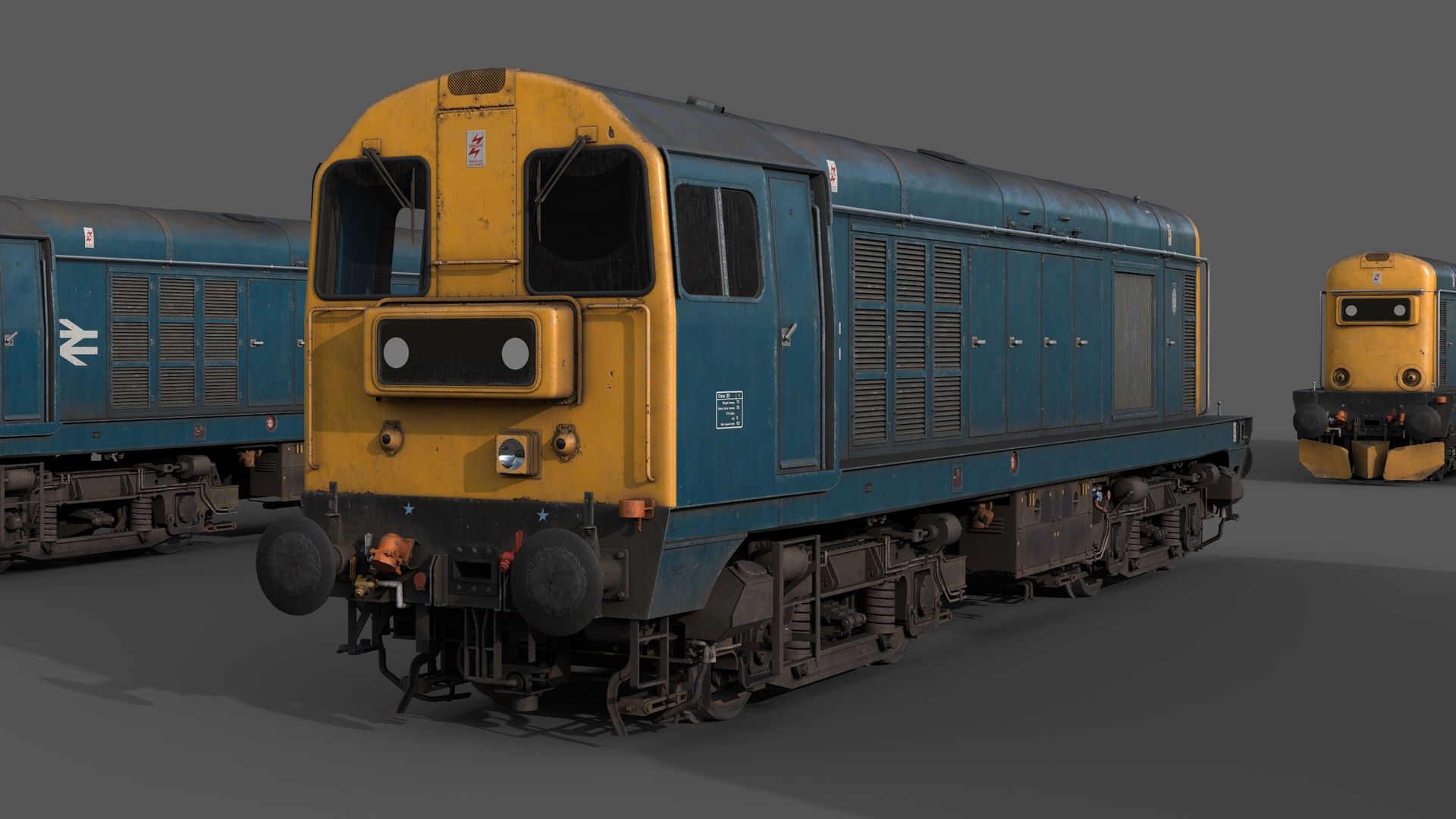
Welcome to our next update for our Crewe-Preston Route. For this one we’ll take a look at the work our team have carried out on the Class 20 and the role it will play.
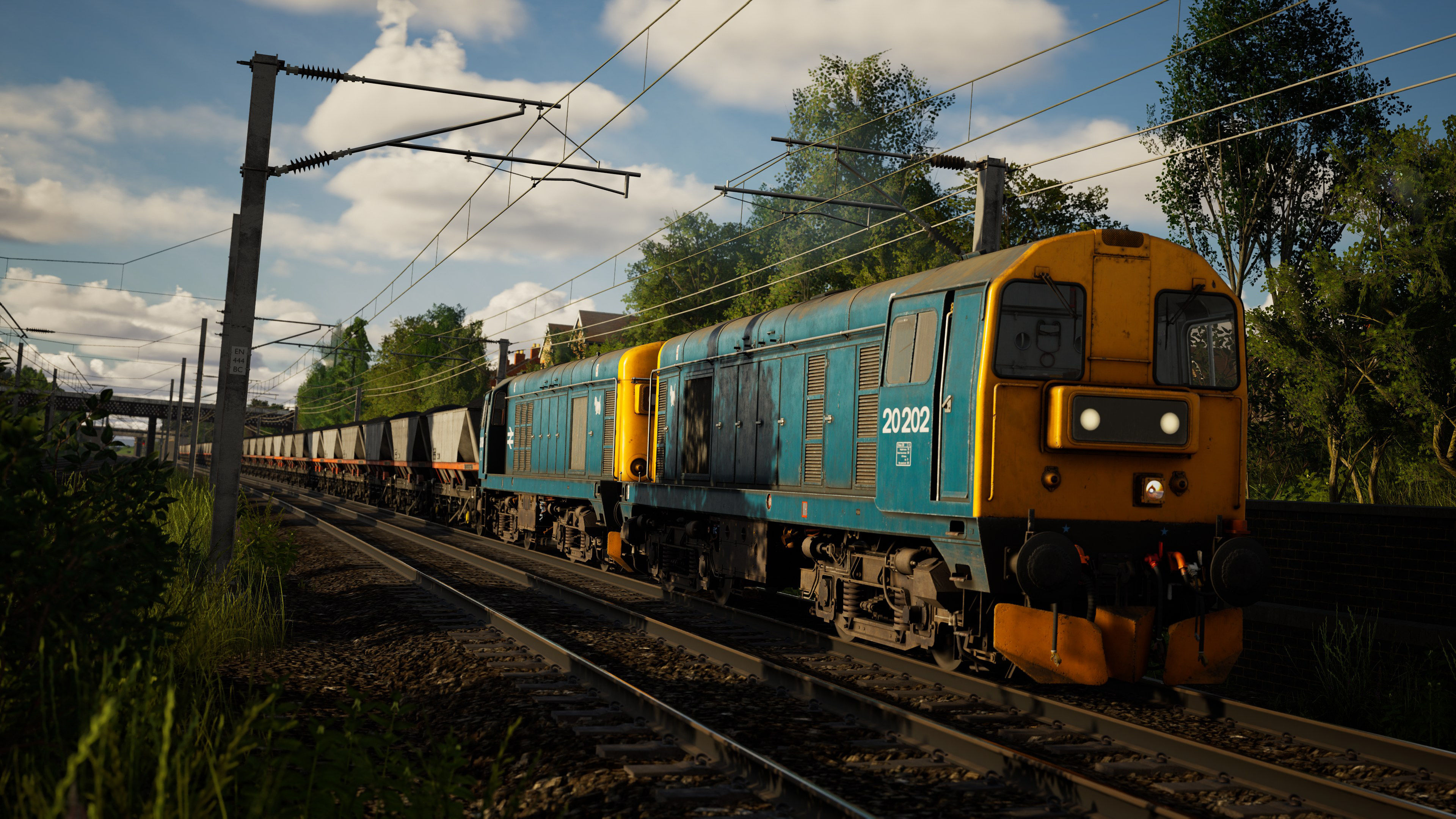
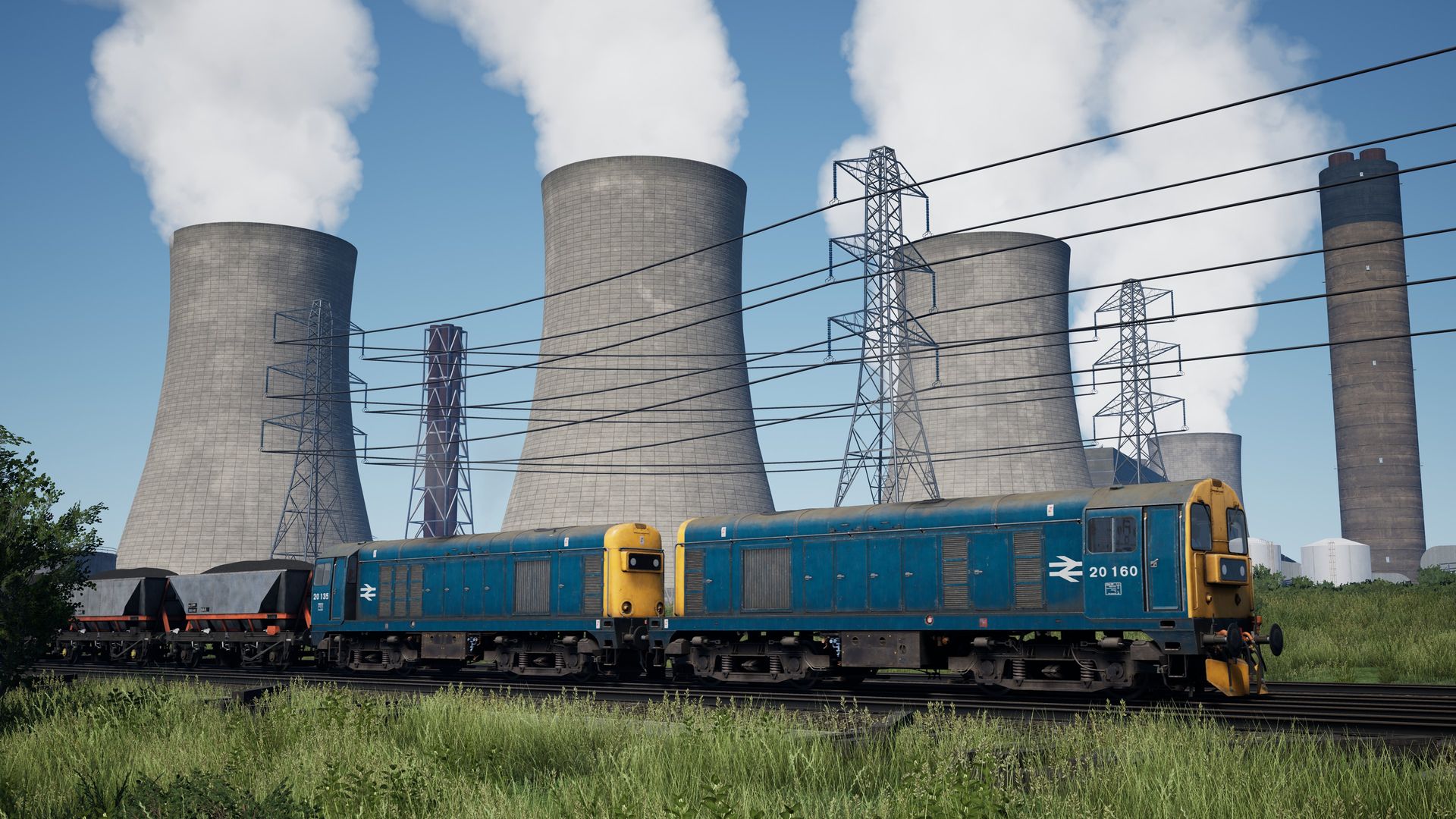
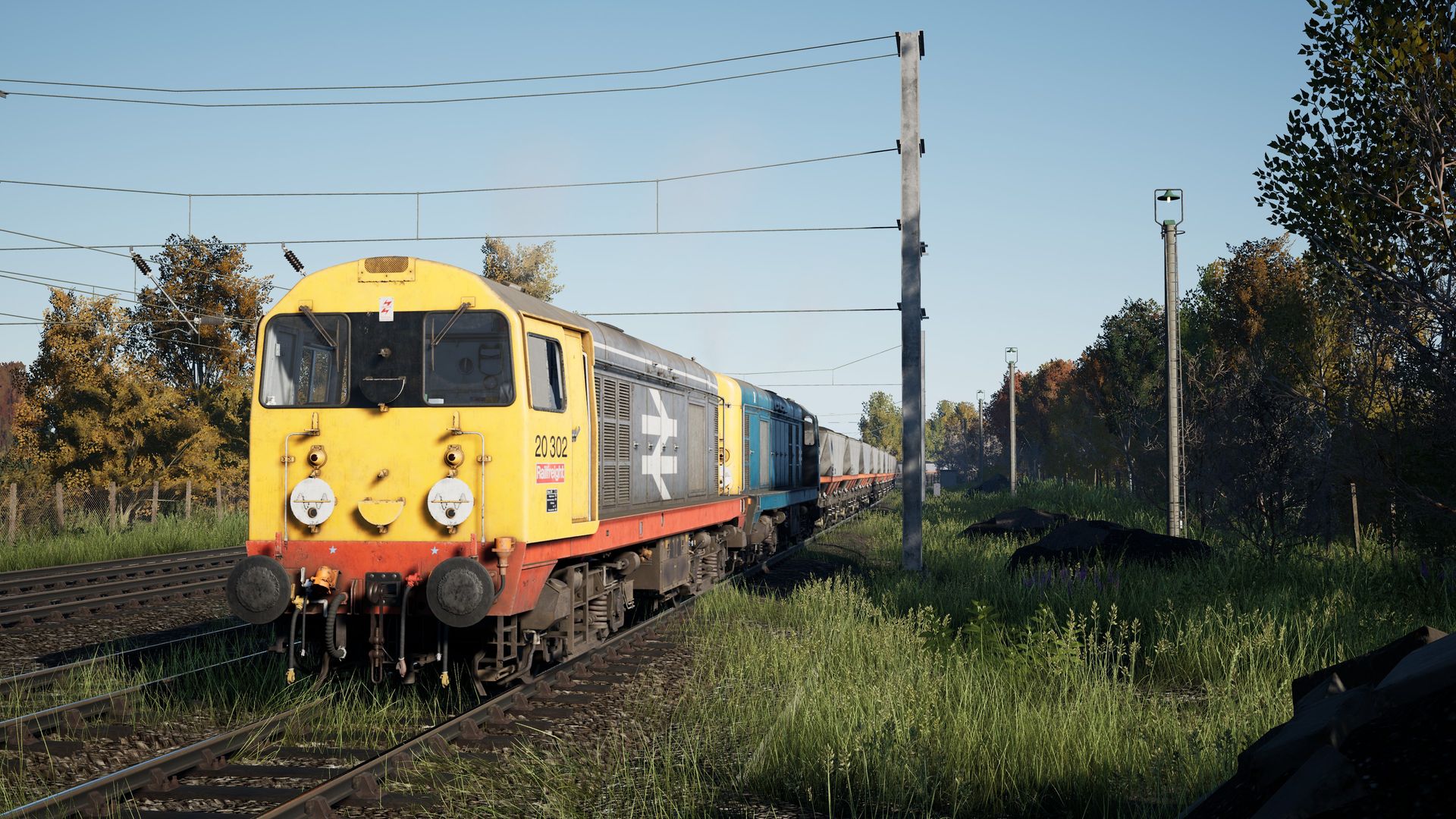
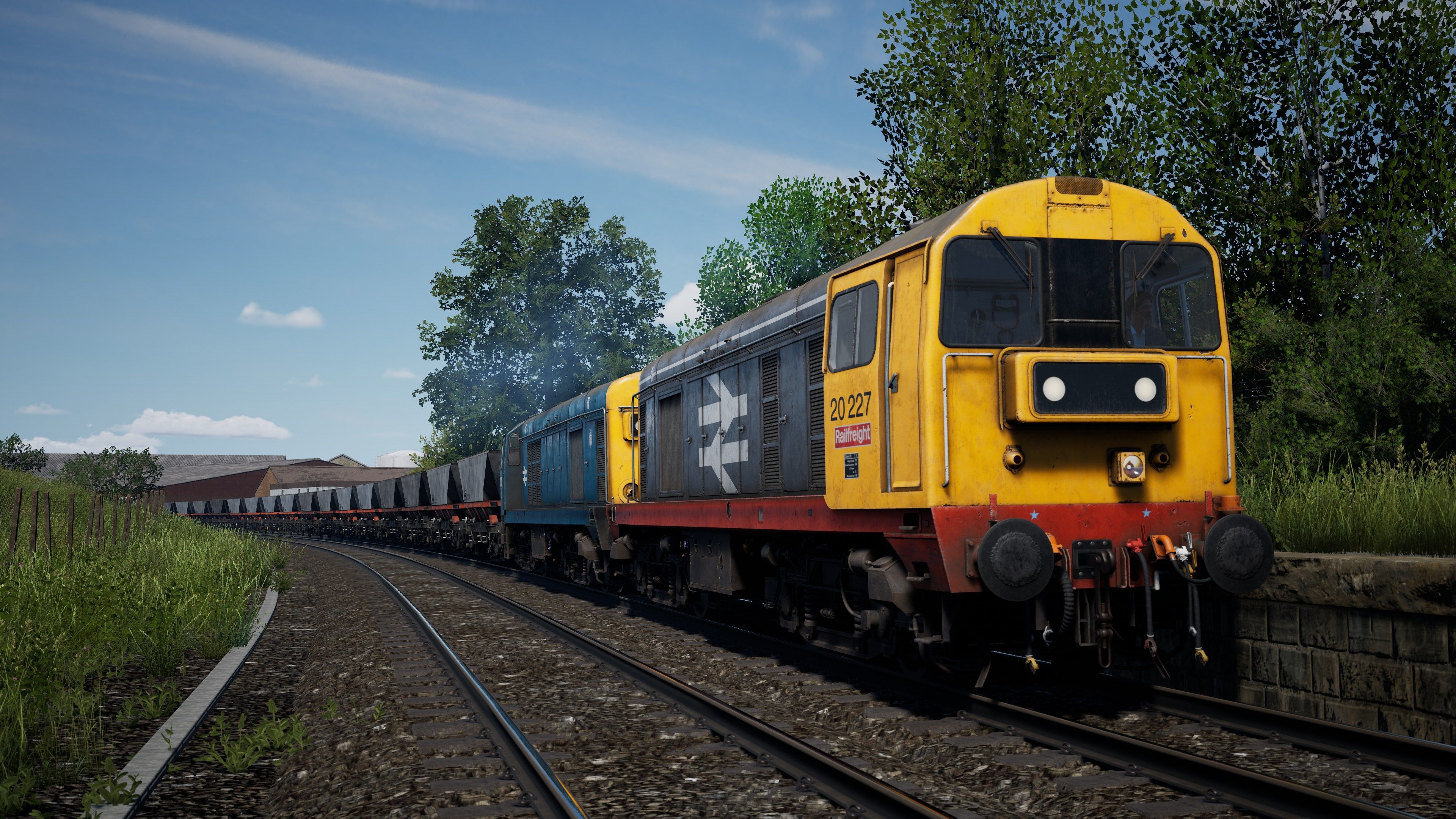
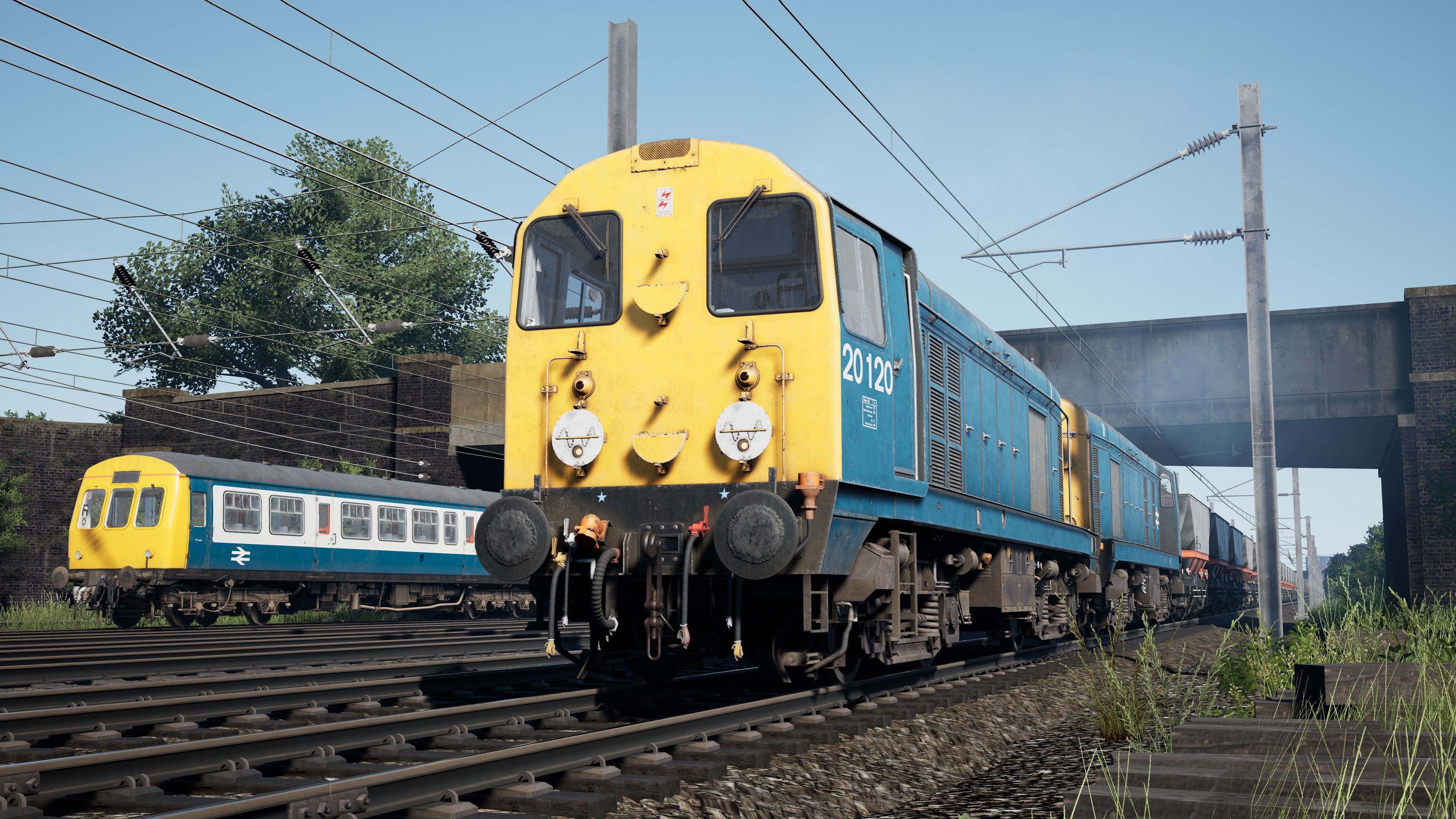
The Class 20’s in 1986 were regularly in action working out of Springs Branch Depot at Wigan, with pairs deployed on MGR circuits from both Bickershaw and Parkside Collieries, with the former requiring top and tail pairs of the class between Springs Branch and Bickershaw, allowing in our timetable for some unique and interesting gameplay as the constant shuffling means the area is a constant hive of activity. Beyond the MGR turns the Class 20’s also saw use on a number of other freights in the area, including local trip workings and stone trains from Peak Forest.
There are a total of 122 members of the class included with the Crewe-Preston route, which will incorporate new headcode box variants, disc removed versions and other exterior differences such as cab windows and headlights. Also included are the original 20/3 variants, these were very short lived, existing only between April and November 1986 and involved eight locomotives. Their intended use was on Peak Forest Stone trains and the renumbering was meant to identify them as locomotives for this traffic, though they were no different to the other Class 20’s, outside of the renumbering.
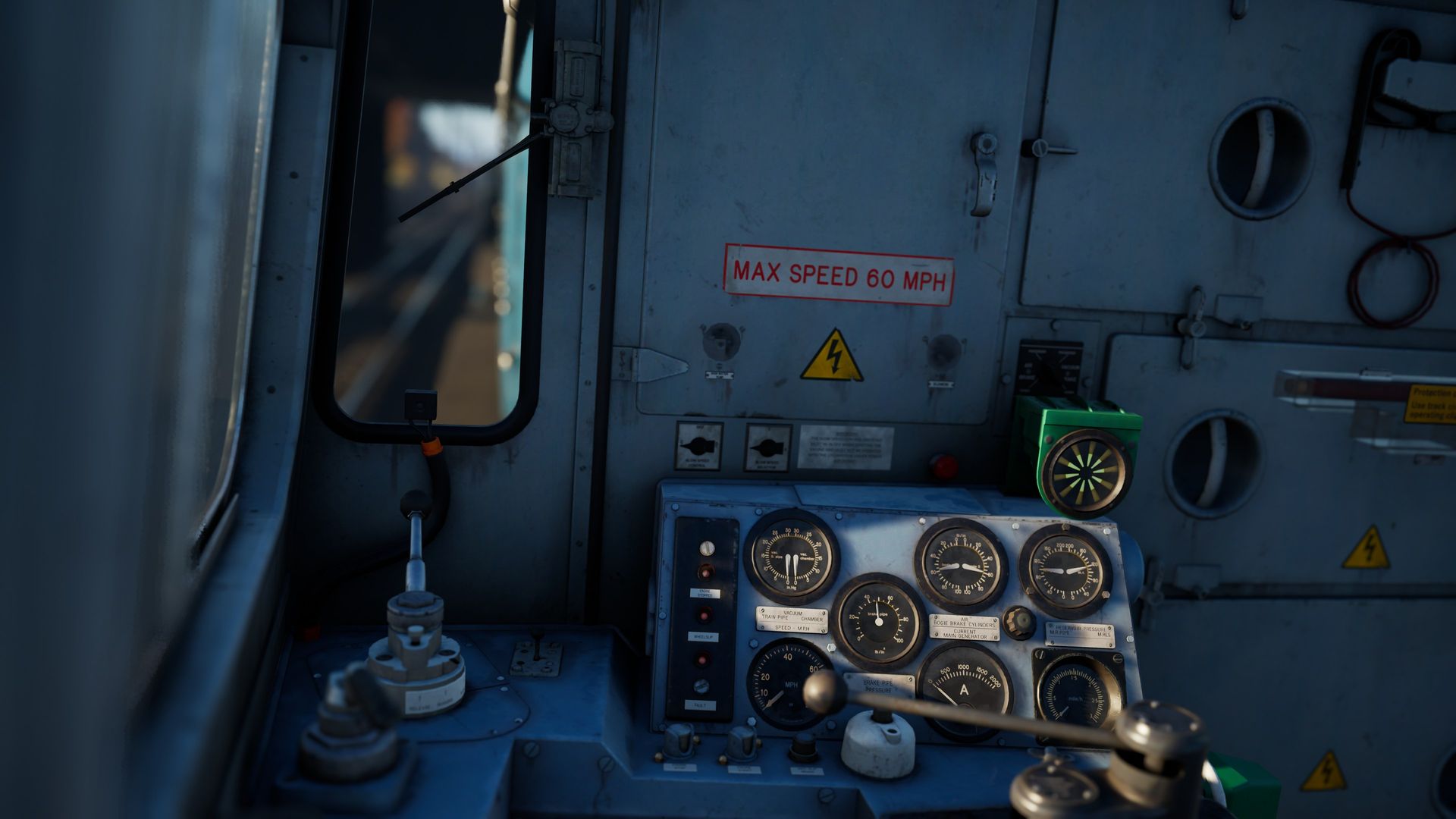
The main feature added to the Class 20 is undoubtedly the Slow Speed Control, which will make for precise control when operating the MGR trains to and from Fiddlers Ferry. Visually the whole locomotive has had a full exterior remap of the UV’s followed by a complete retexture from the ground up and we have also created BR Blue and Railfreight Grey liveries , along with loco specific details such as depot stickers, snowploughs and additional headlights etc. Audio has also seen attention with new traction motor blower sounds, blunt end and cab end horns, including a random third tone that is as per our reference locomotive . Additionally the existing audio has also been tweaked and enhanced to provide an improved experience. We’re really excited for people to have chance to utilise the vast array of locomotives in game, the variations included mean that you’ll never be sure what will turn up!
Class 20 changes and enhancements: Exterior:
• 122 spawnable locomotives
• Correct number sizes (Scottish variants with larger numbers etc)
• Cabside window sizes correct per loco
• Headcode box variant
• Ex-Disc fitted variant
• Depot markings added as per real locomotives in 1986/7
• Snow ploughs
• Headlights accurate for 1986/7
• Full exterior remap of UV’s
• Retextured from the ground up
• New BR Blue Livery
• New exhaust particle effects
Cab:
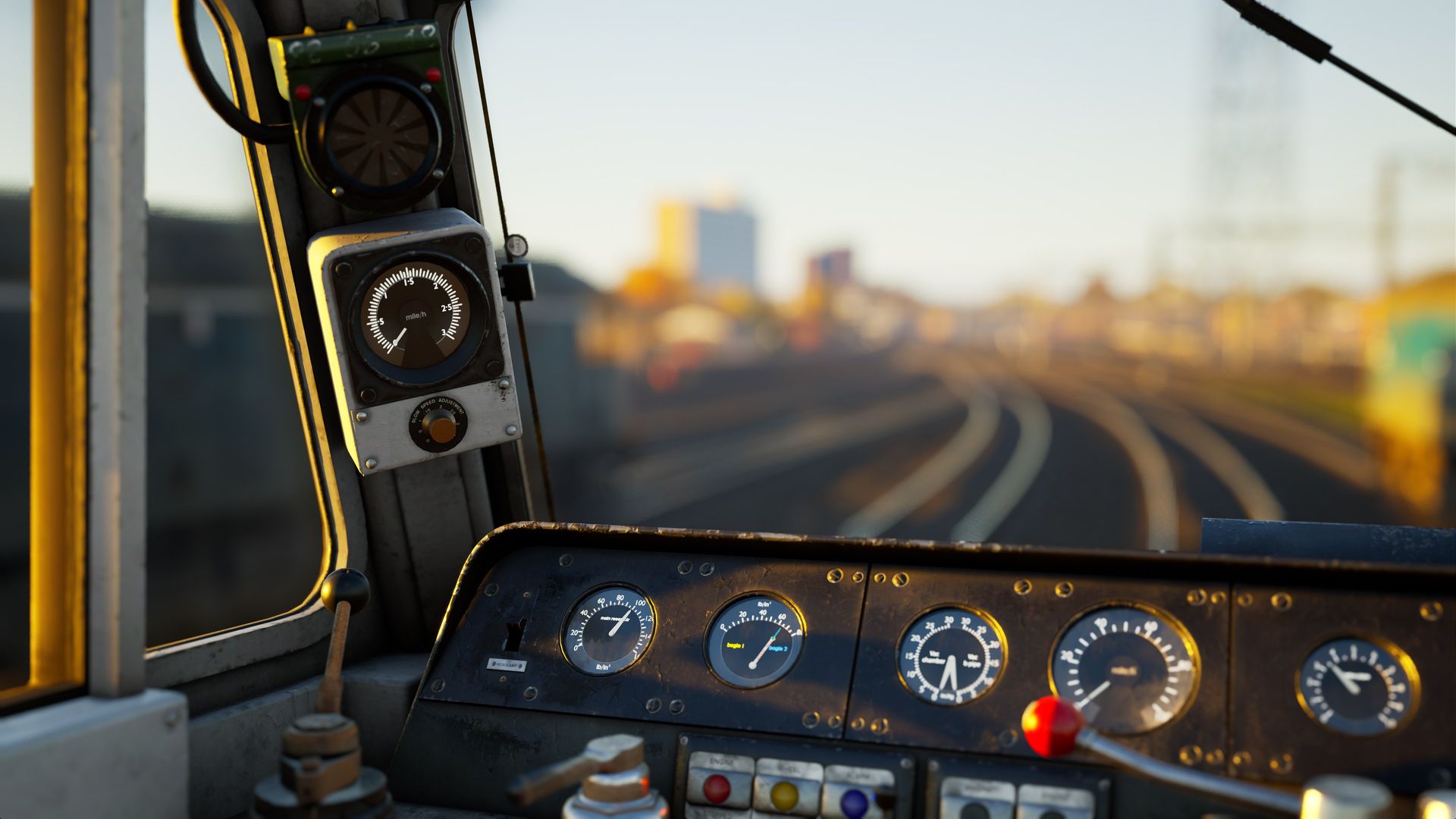
• Slow speed control equipment and gauges added to both cab desks
• Headcode variant lighting panel alterations
Audio:
• Enhancements to existing audio
• New sampling of existing audio
• New traction motor blowers
• New blunt end horn
• New cab end horn, including third tone that randomly plays as per reference loco
• Fan sounds altered so they can be heard at distance, including frequence degradation
Simugraph:
• Slow speed control added including three speed conditions and two modes
• Suspension added
For a complete visual feature list of the Class 20s please see the spreadsheet here.
10 February 2026
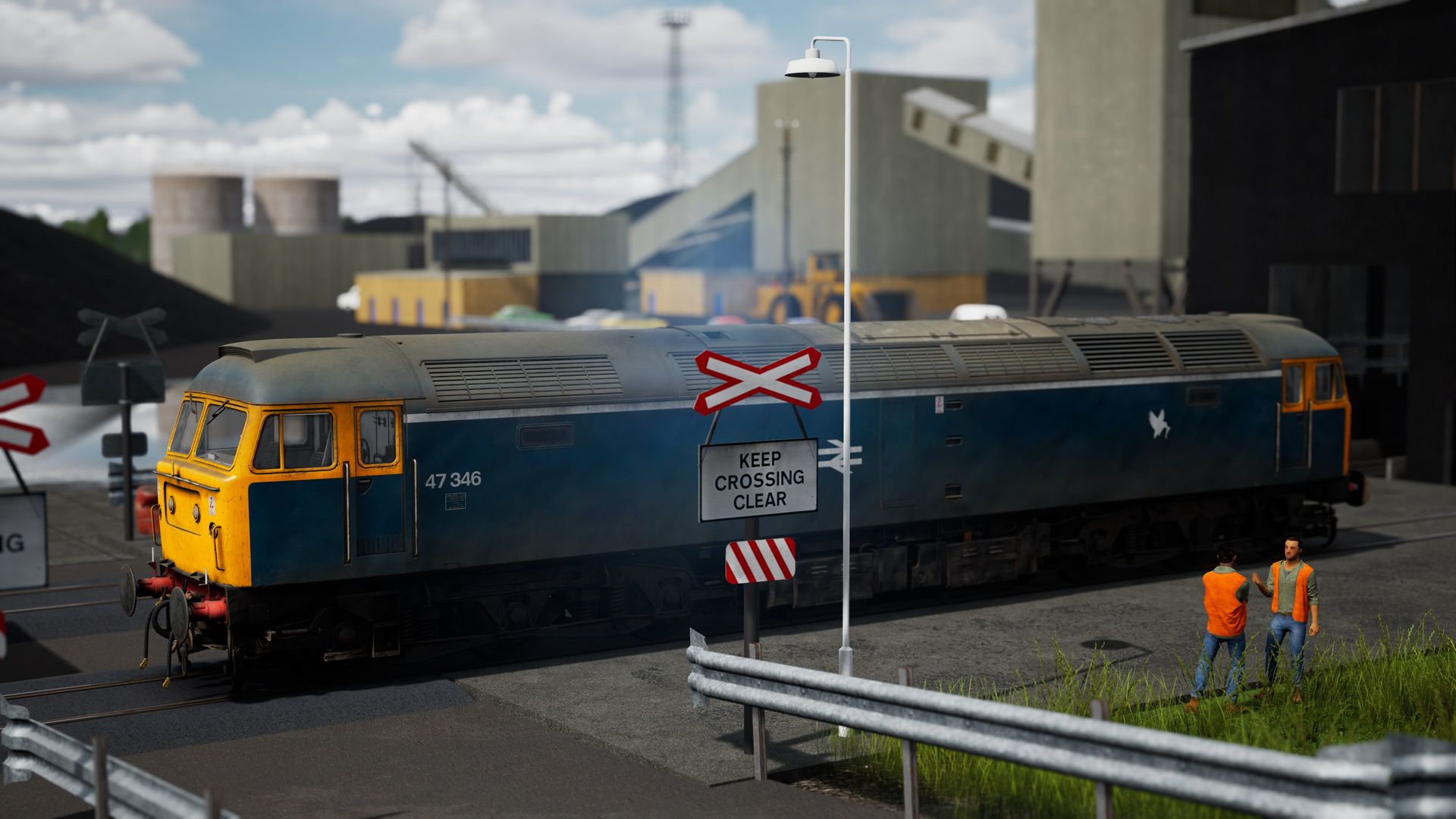
Following our previous look at the Class 47/3 we now begin to take a glimpse at the freight operations that will be carried out by this and the Class 20 locomotives in the upcoming West Coast Main Line: Crewe to Preston route from Just Trains.
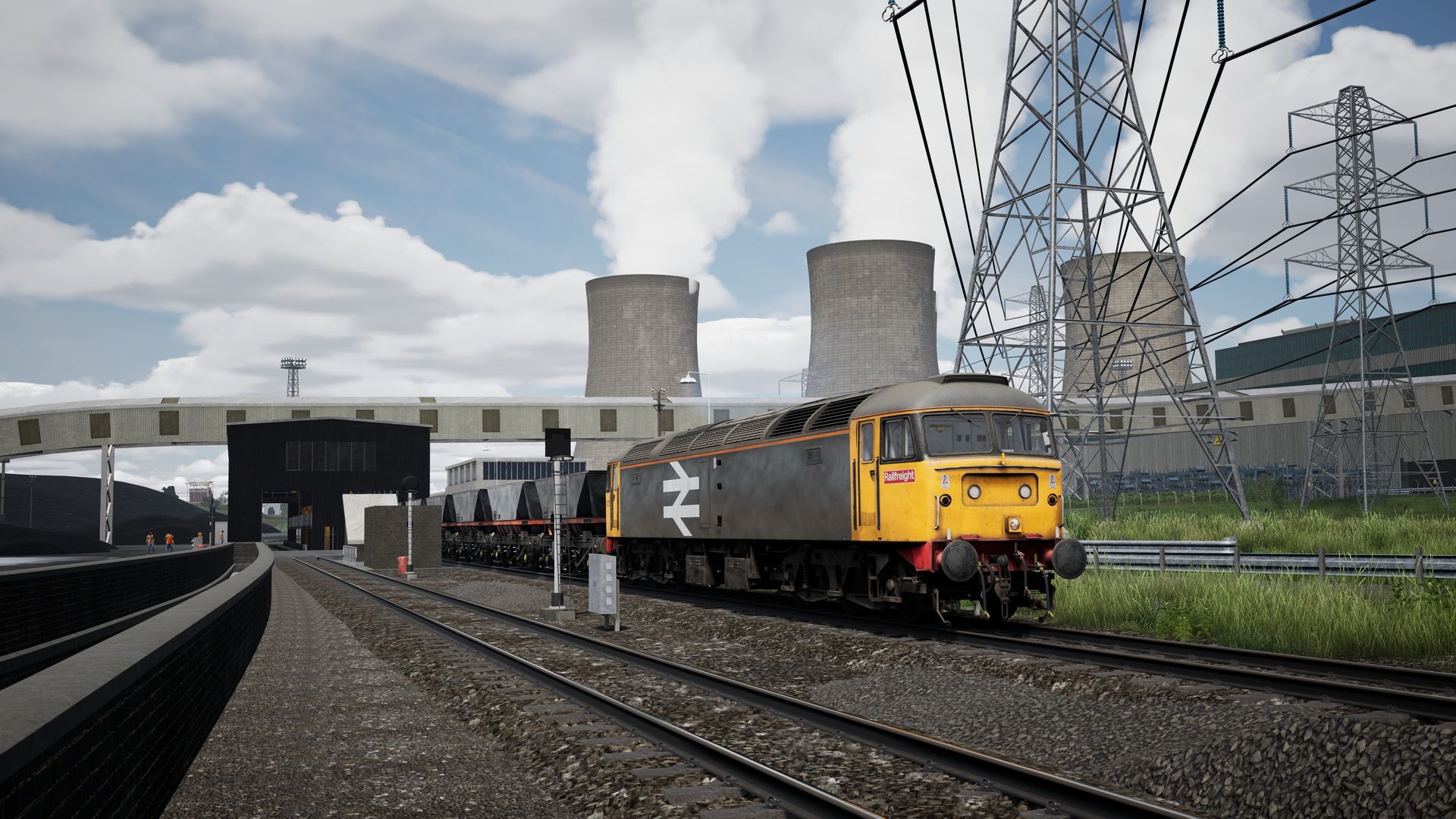
In this development update we focus on the “Merry Go Round” coal trains and their constant cycle from Pit to Power Station. The term Merry Go Round came about in the late 1960’s and early 1970’s when Power Stations such as Fiddlers Ferry opened, requiring a high intensity input of coal to keep the national grid online. Merry Go Round trains utilise circular tracks at Power Stations such as Fiddlers Ferry meaning that they never have to stop once they depart the colliery, and can, operations willing complete an entire round trip to the power station without stopping, hence the “Merry Go Round” (MGR) term that these trains received.
In the WCML Crewe to Preston route these operations are fully covered, with through trains from Healey Mills and the Yorkshire Coalfield entering the route via Newton-Le-Willows supplemented by the more operationally intense workings from our featured collieries at Bickershaw and Parkside.
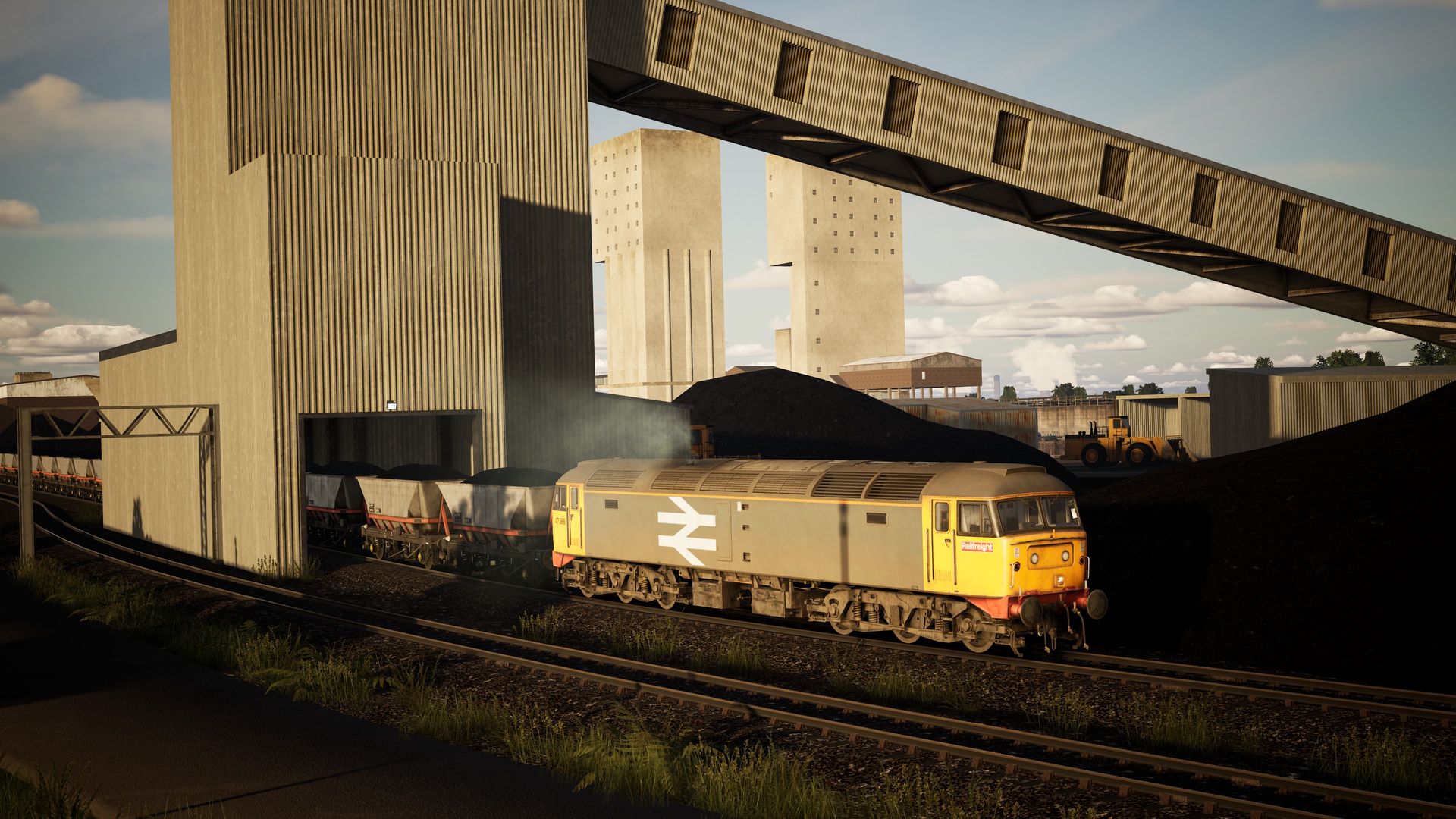
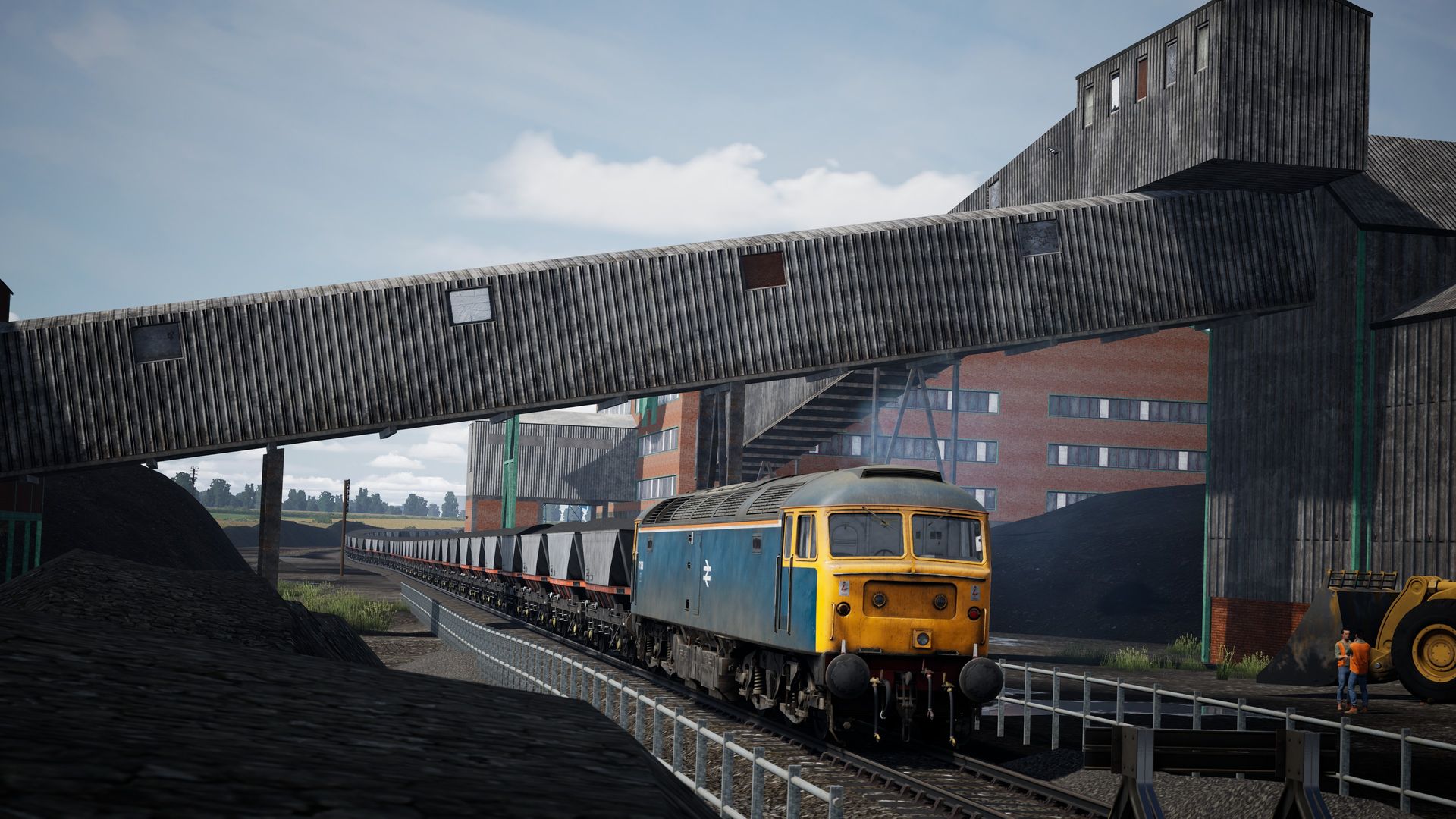
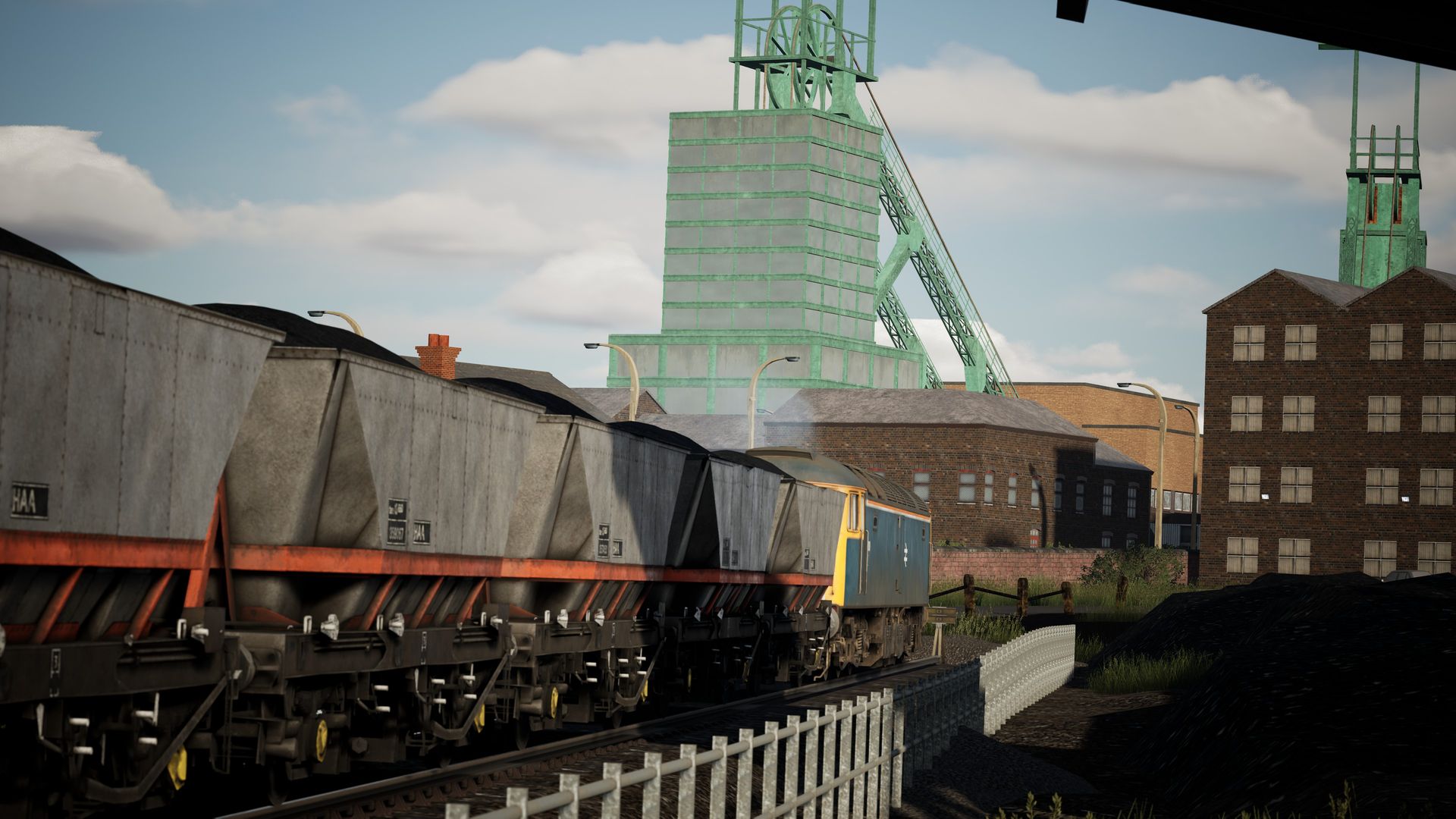
Bickershaw Colliery is the first one that we’ll take a look at. This four mile branch leaves the West Coast Main Line with a trailing junction to the south heading off at Wigan Springs Branch. By 1986 this colliery had seen a downturn with just a single line leading to the loader and a cripple siding connecting, which was used to dump faulty HAA hoppers for collection by trip workings at a later date so that repairs could be enacted. The lack of a run round loop meant that trains serving Bickershaw were top and tailed, most commonly by pairs of Class 20’s in this era, with locomotives added/removed at Wigan Springs Branch during the reversal. From Springs Branch the trains would head south along the Up Goods, crossing under the WCML via Bamfurlong Flyunder before climbing up the other side to join the main line for onward transit to Warrington.
Parkside Colliery was in reality more of a spur off the Chat Moss line just east of Newton-Le-Willows, connecting in via two loops on the approach. A run round loop was in use at Parkside during this era meaning that trains could use just a single loco, though again pairs of Class 20’s were commonplace. Upon departure from Parkside these loaded trains would travel via Earlestown before linking up with the WCML at Winwick Junction for the short run into Warrington.
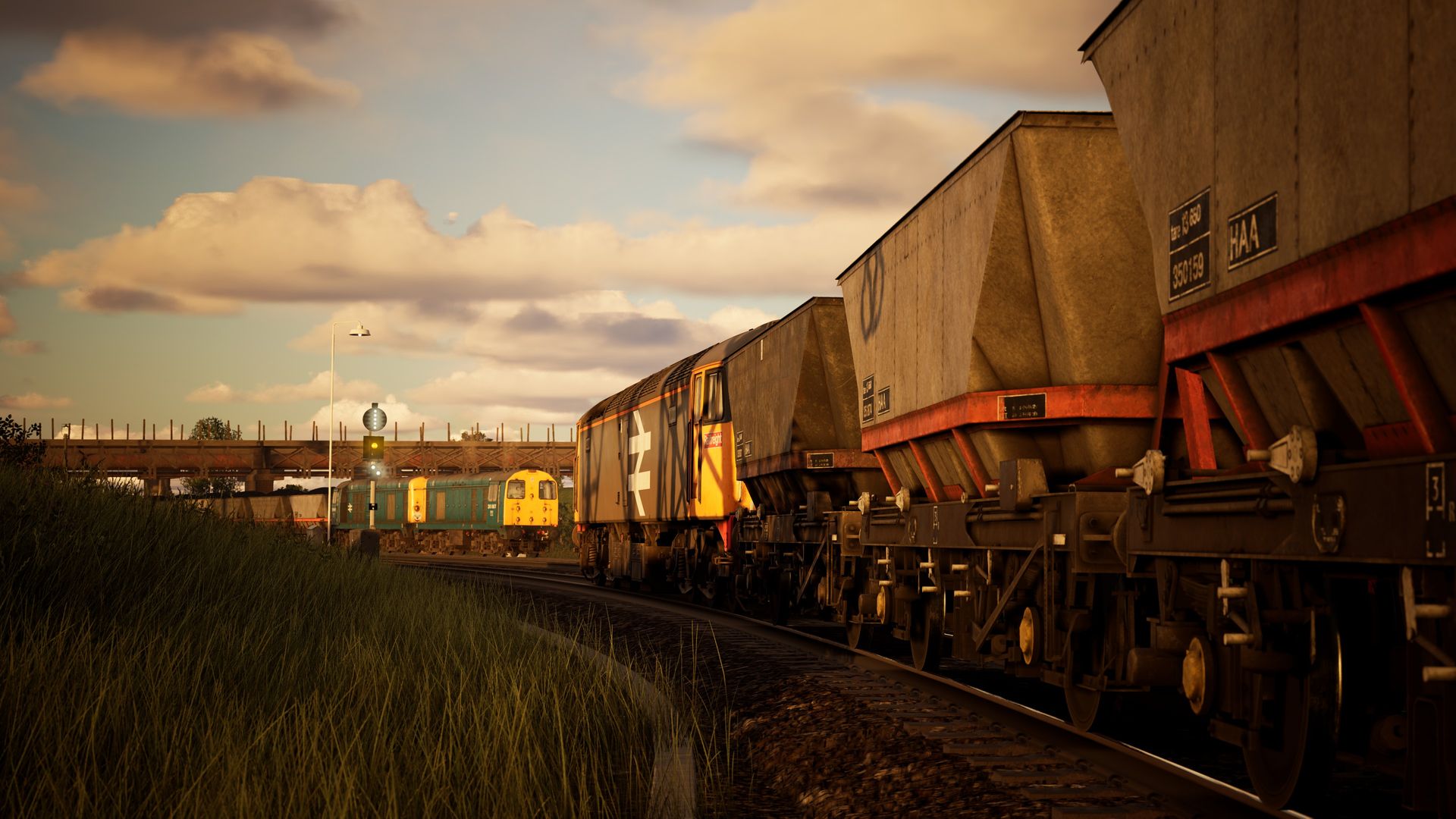
These trains, once they arrived in the MSC Sidings at Warrington were faced with an interesting task to reach the line to Fiddlers Ferry Power Station, which goes east to west directly under Warrington Bank Quay station. Whilst some trains saw the locomotive run round in MSC sidings, others saw a pilot attached to the rear for onward haulage for around a mile to Latchford Sidings, where another reversal took place to access Fiddlers Ferry itself. During the mid-1980’s this pilot was occasionally a Class 08 shunter, which was certainly put to the test hauling 45 loaded HAA hoppers and two dead locomotives on the rear, this is the scene we have chosen to portray in some of our operations, though there are a variety which do double run rounds at both MSC Sidings and Latchford, thus adding to timetable complexity!
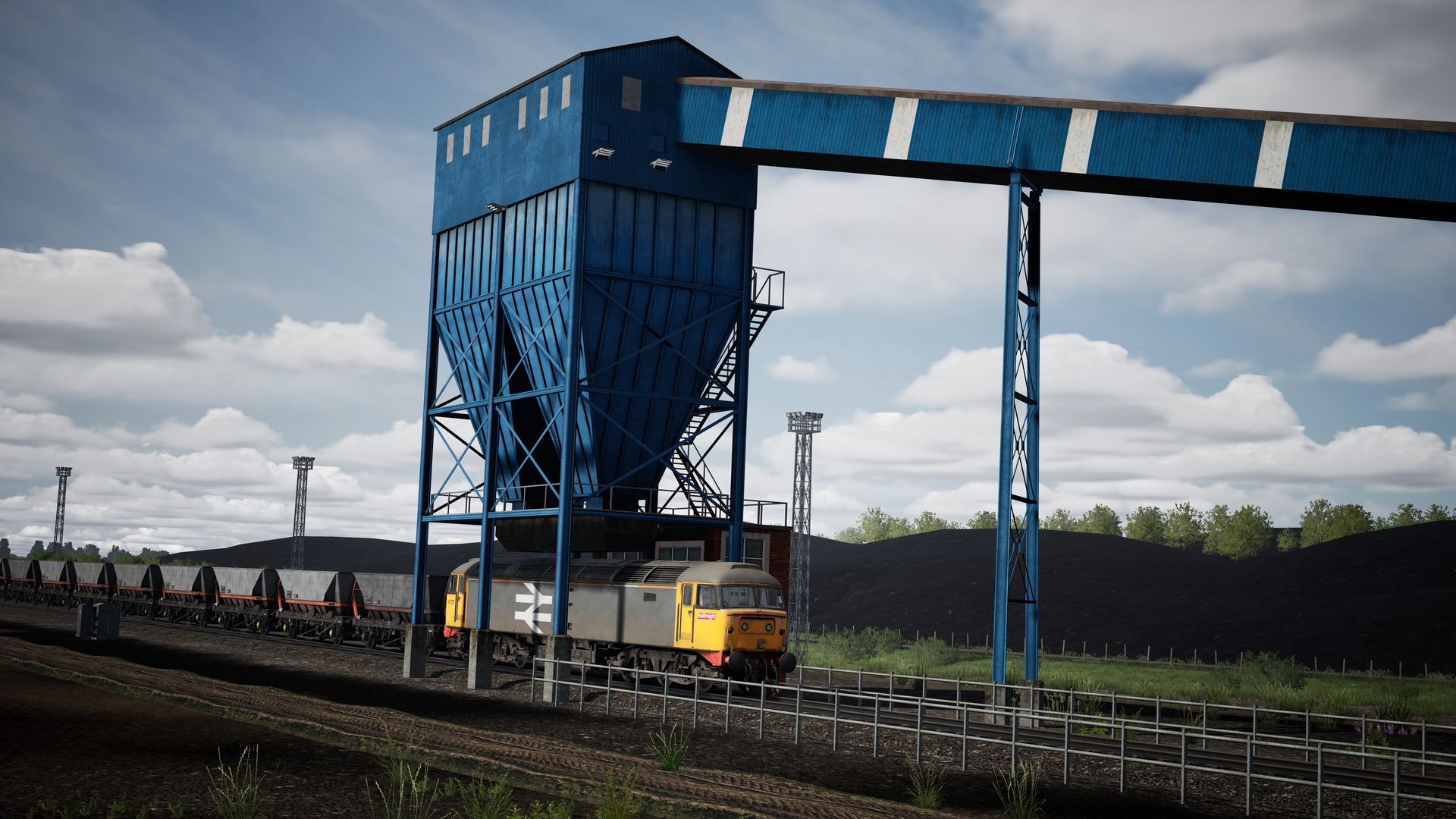
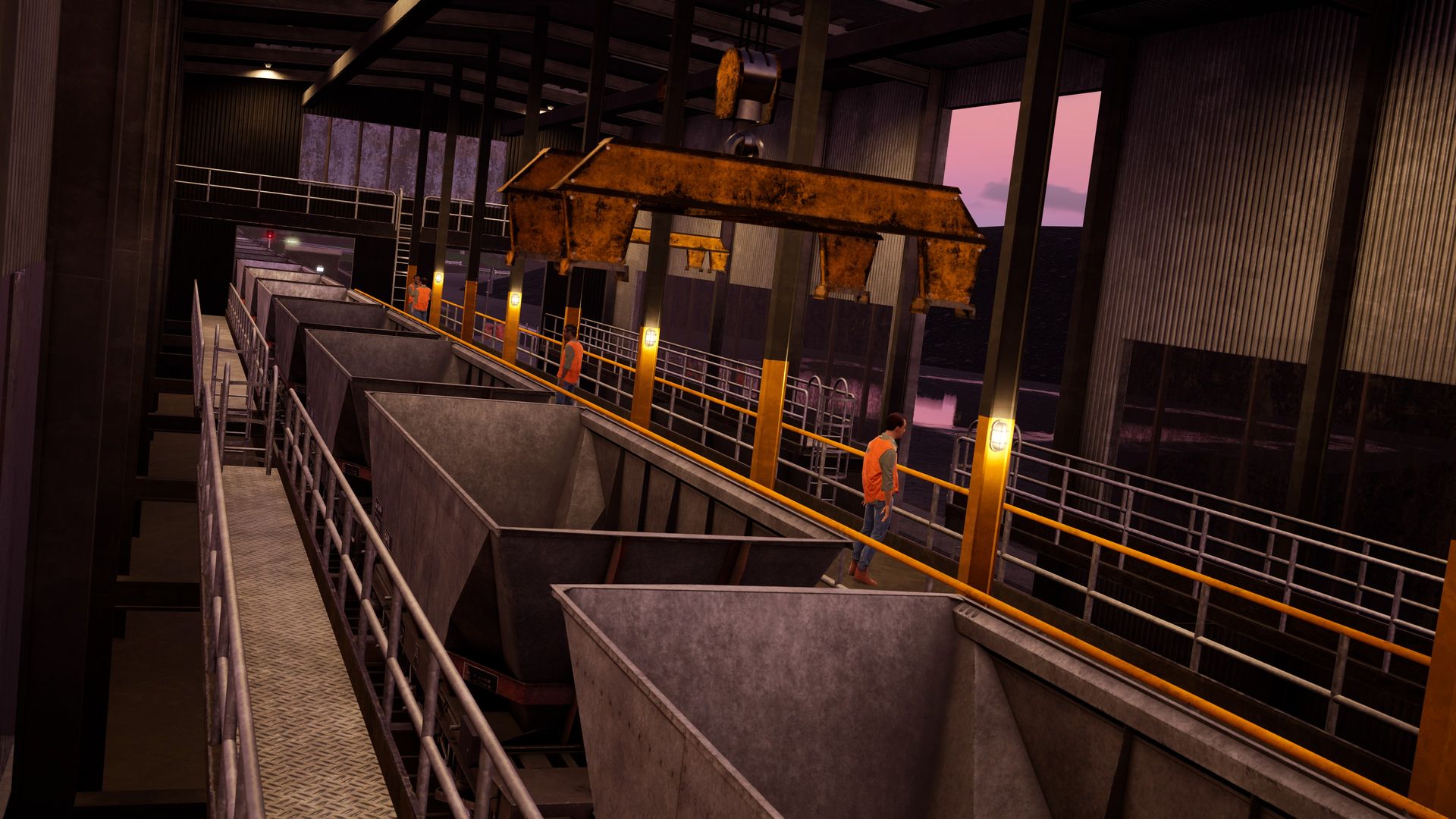
From Latchford it’s a quick four mile run to Fiddlers Ferry Power Station, where trains can unload without coming to a stop by using slow speed control to deliver their black gold at a controlled speed of 0.5mph. By utilising the circular route around the Power Station these trains can then rejoin the main line and head back to Latchford to do it all again!
We’re excited to share more details on these trains and more with a focused blog on Warrington to follow at a later date, a pure hive of activity during the 1980’s with trains in all directions, for now, here’s a selection of screenshots showing the MGR trains in action.
28 November 2025
Welcome to the next Development Update covering the West Coast Main Line: Crewe - Preston route. This is a lengthy one. Enjoy.
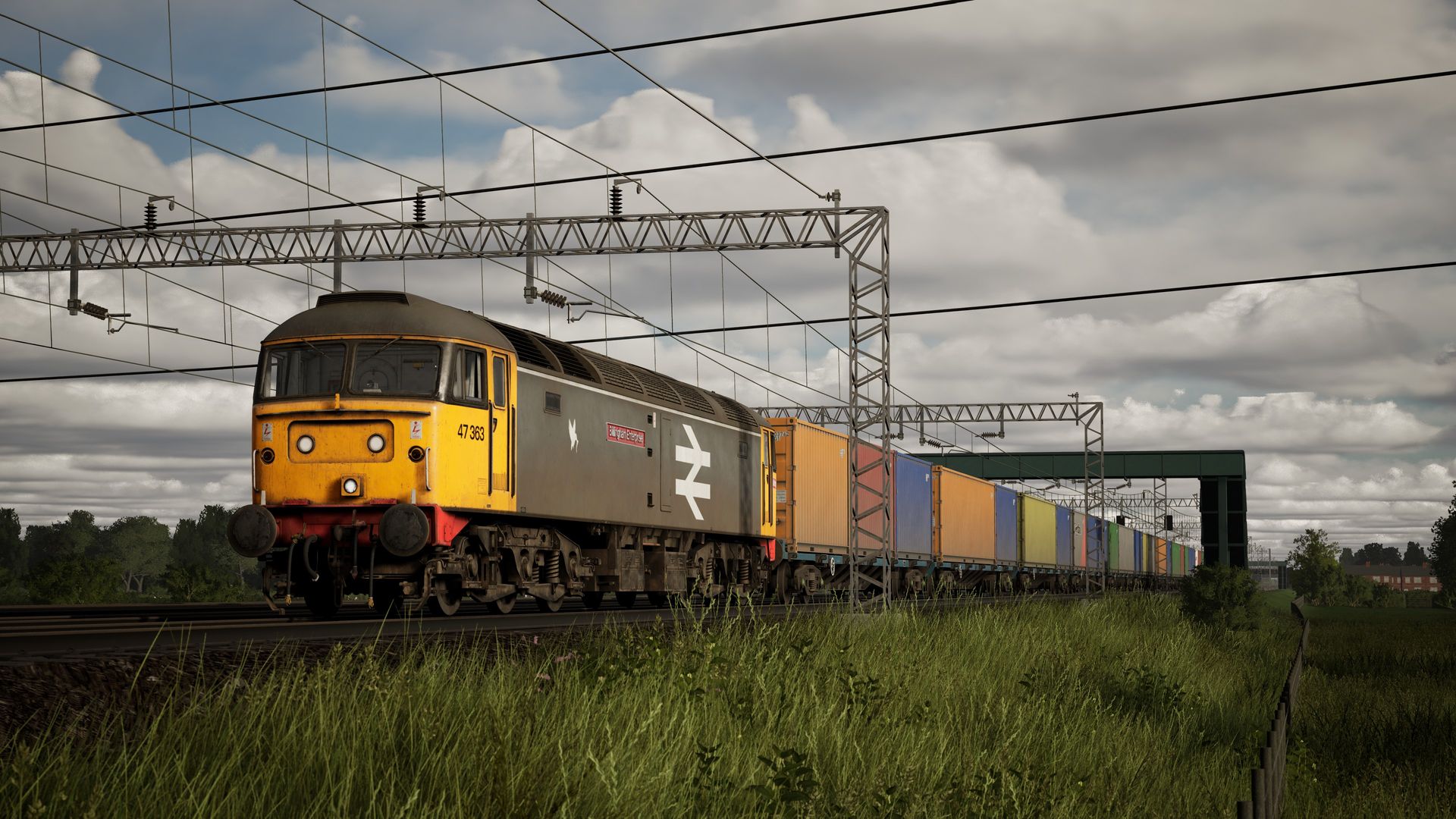
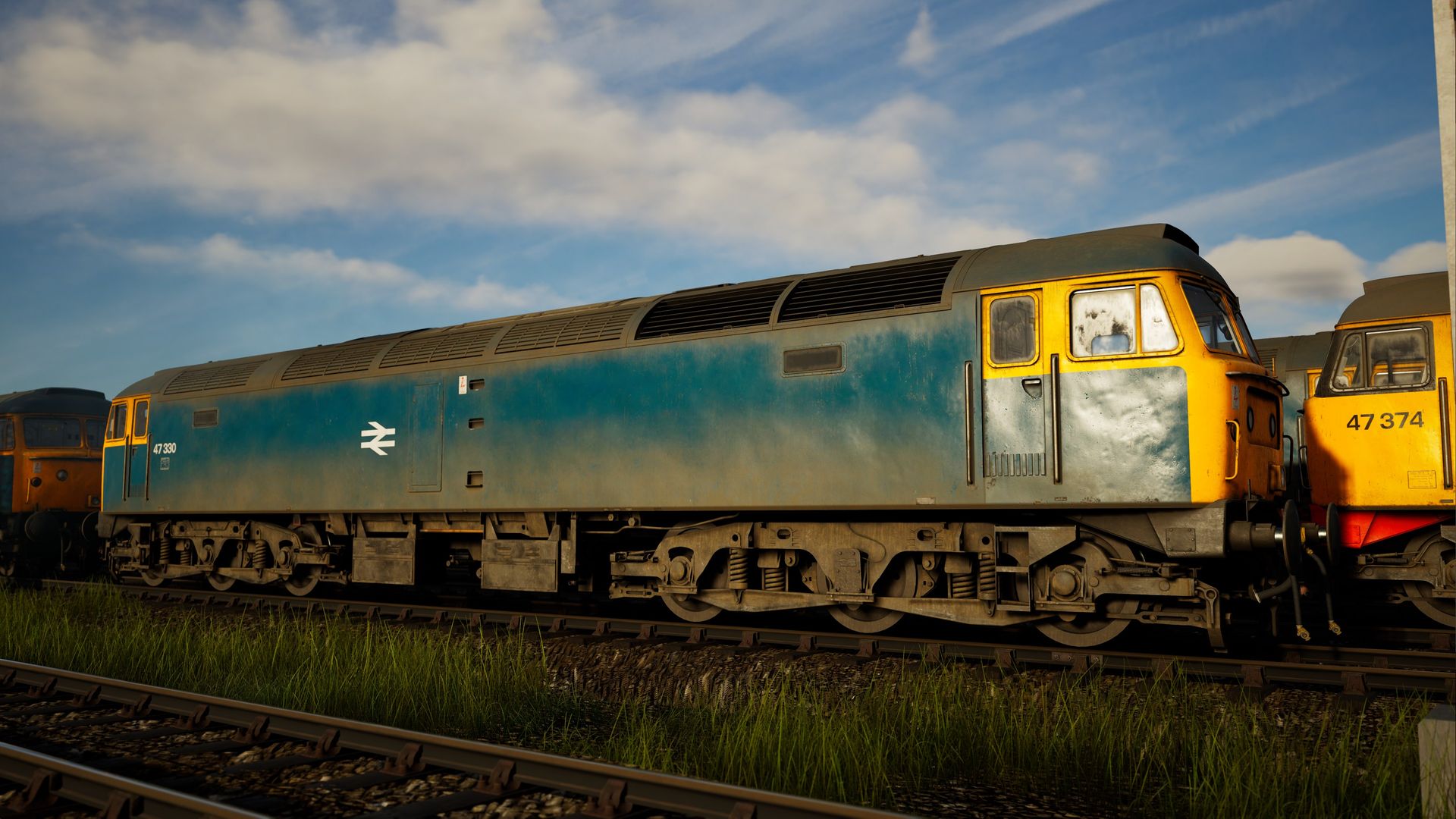
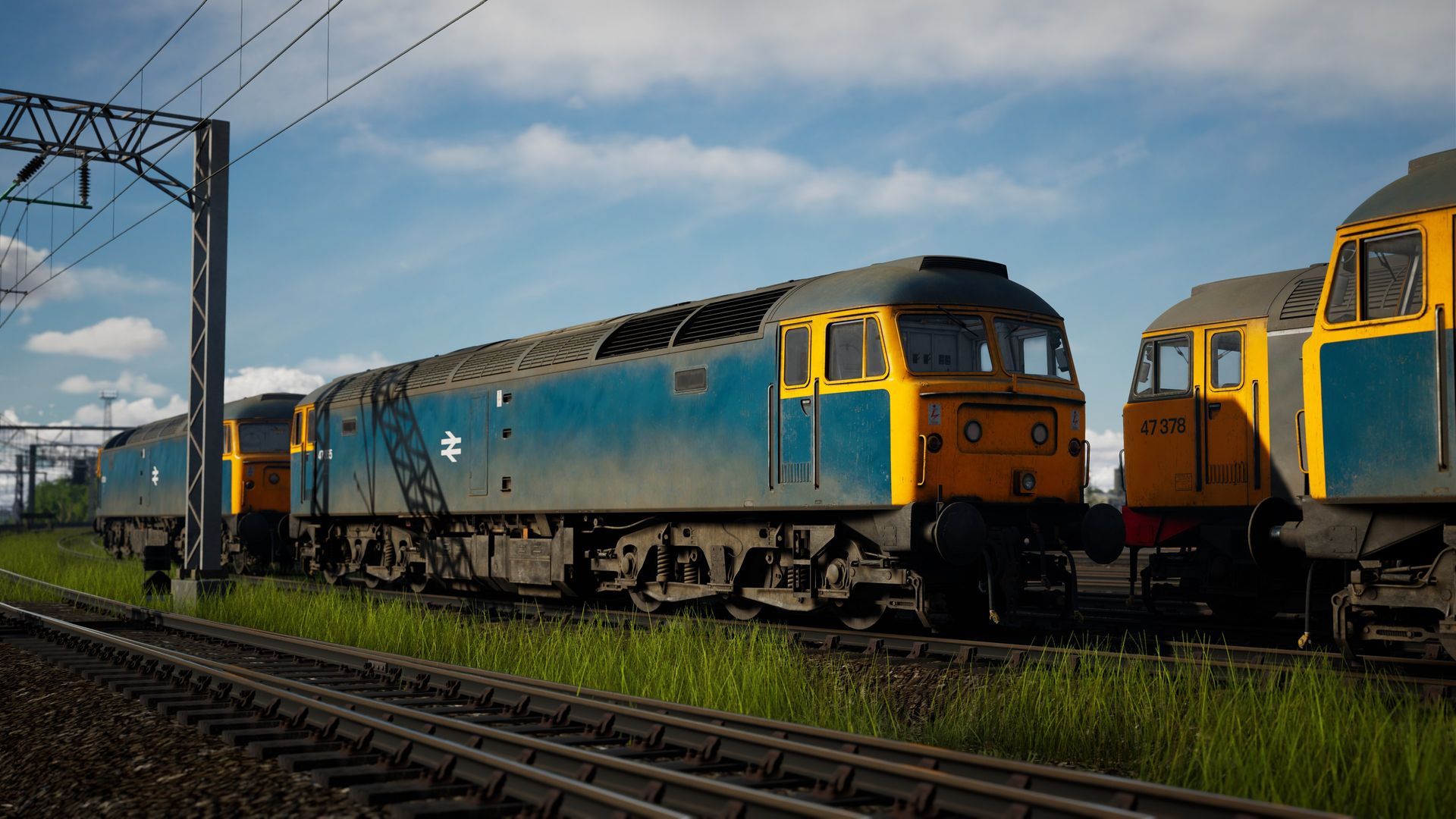
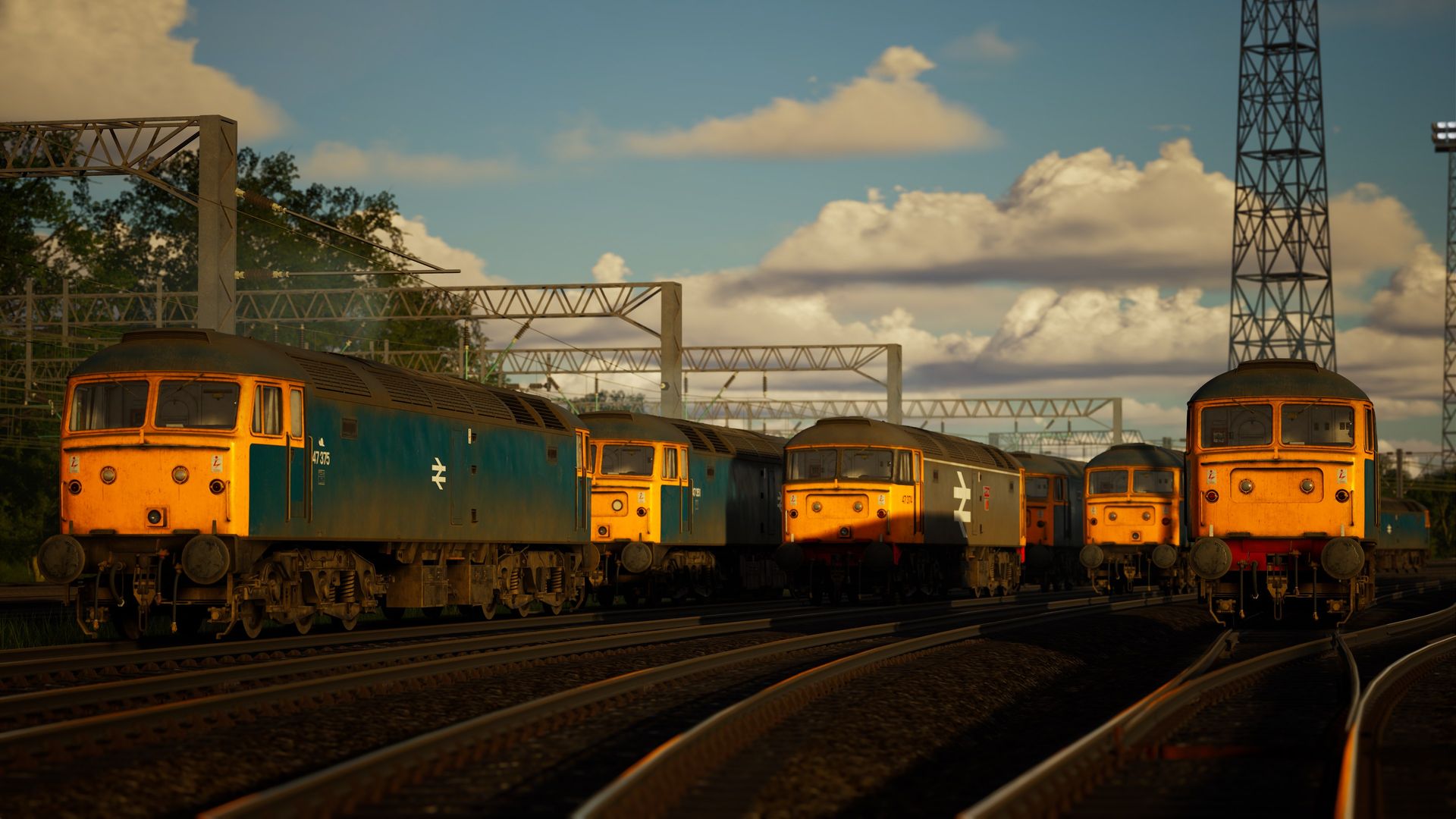
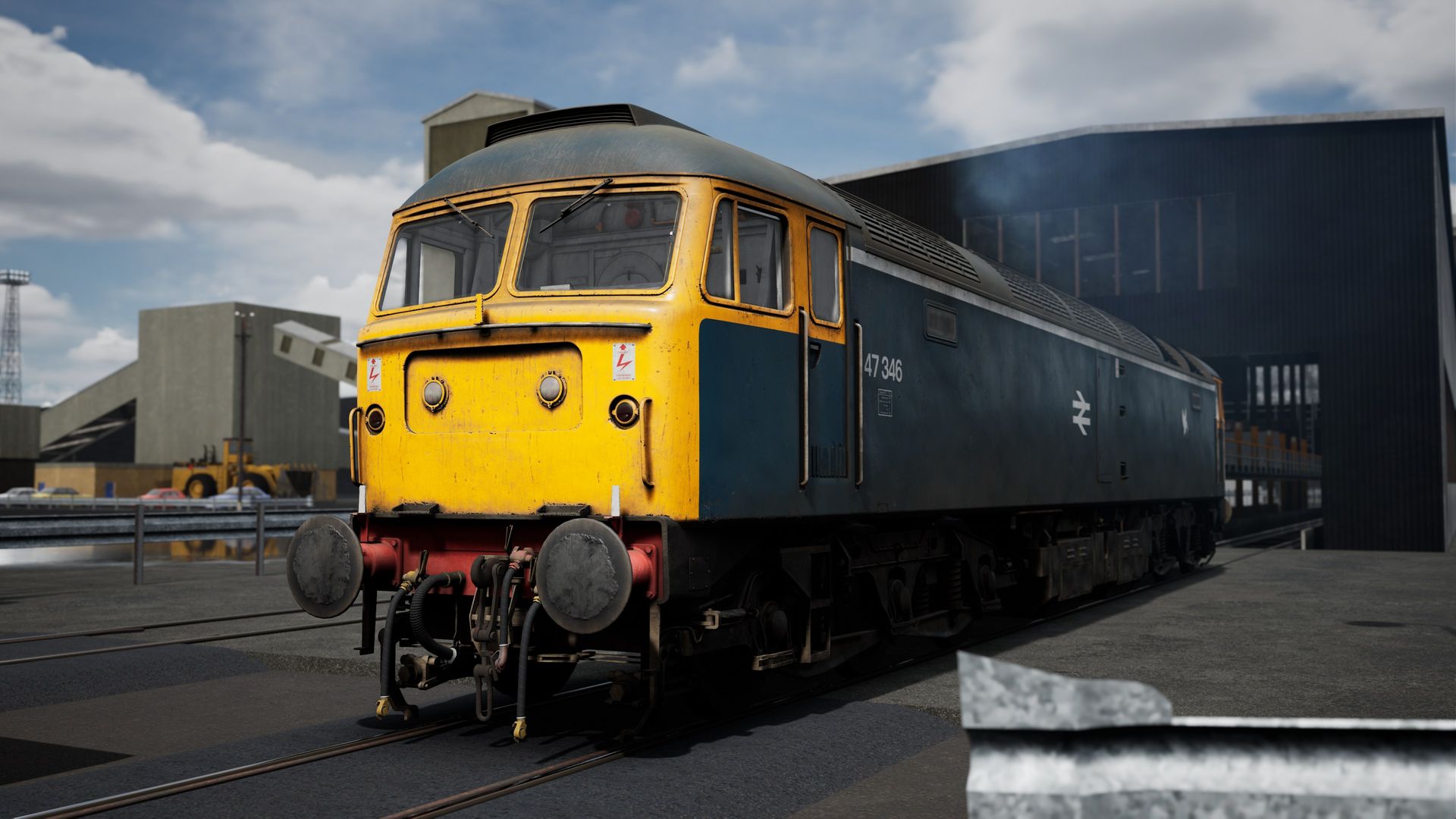
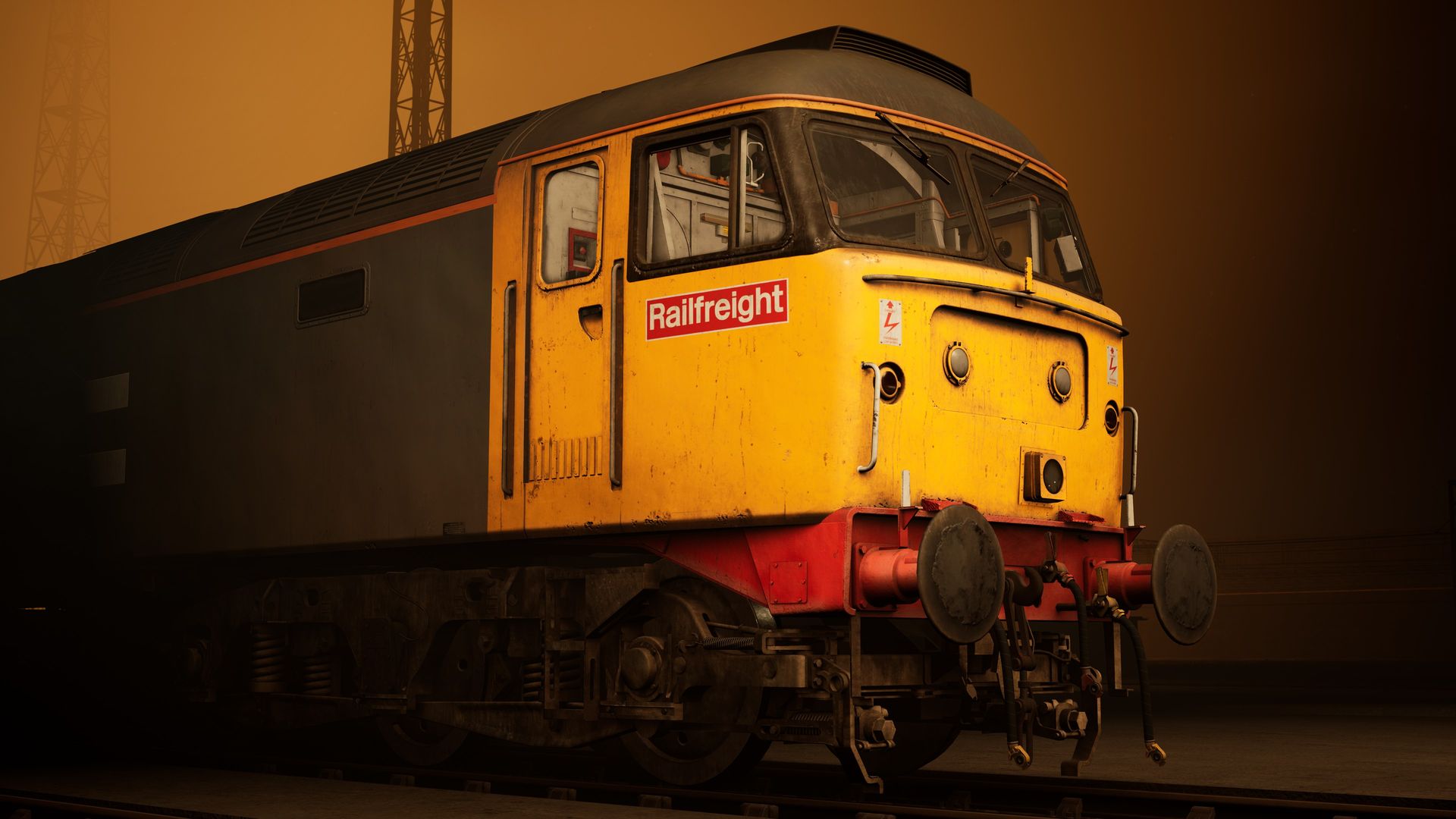
The Just Trains Team have been working to develop the Class 47/3 for our upcoming Crewe-Preston route for Train Sim World 6. The Class 47/3’s were specifically intended for hauling freight services and they’ll be put to work across a variety of services in our upcoming route. These locomotives will take up work on Merry-Go-Round Coal Trains to and from Fiddlers Ferry Power Station, whilst also working up to 75mph on Freightliner container trains, this isn’t the limit of their use however, these versatile locomotives were regularly seen on just about any type of freight train in the 1980’s. .
We have also represented their appearance occasionally on passenger services, something that BR were reluctant to do, given their lack of Electric Train Supply equipment, however, much like in real life the best laid plans didn’t always work out and we have simulated rare appearances of Class 47/3’s on passenger services, so you’ll want to keep your eyes peeled when a diesel hauled passenger service is scheduled to arrive!
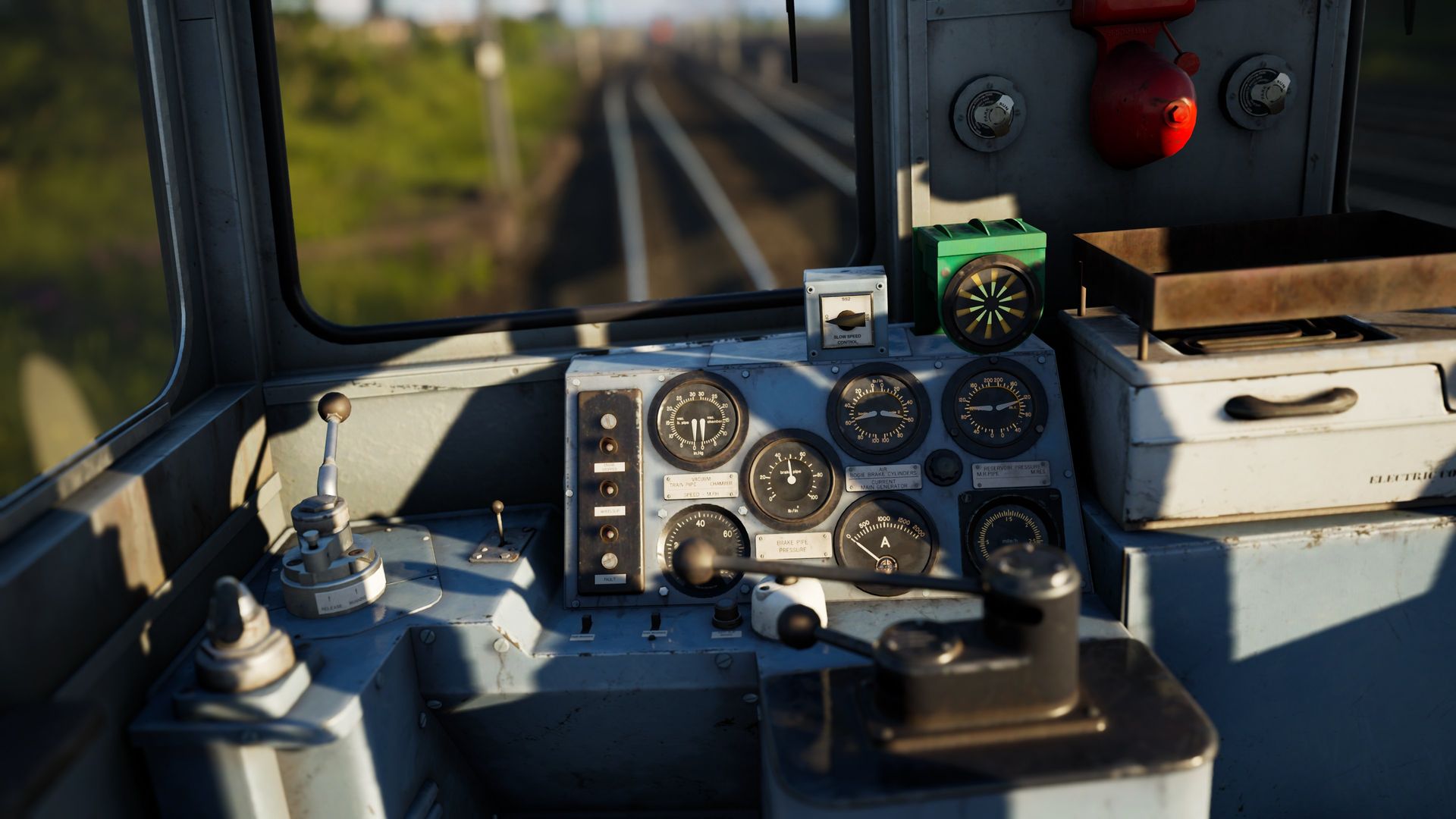
We have worked extensively to create the Class 47/3 in Train Sim World 6, with a number of new features included to accurately simulate the subclass in all their glory. Key among these features is the new Slow Speed Control. This feature was fitted to the Class 47/3’s to enable them to work coal trains from pit to power station, without the need for stopping or constant adjustment of the power controls. As a result, when you arrive at Fiddlers Ferry Power Station you will be able to switch on the SSC and relax whilst your train navigates its way through the unloader at a steady 1.5mph, supplying black gold to the National Grid! Of course, you’ll need to keep a close eye on those creep control AKA Toton Signals, to ensure that you have permission to continue!
Additionally, we have also taken the opportunity to apply a number of other changes to the Class 47/3 to enhance the overall experience when using the locomotive in game. Below is a summary of the changes you can expect to see along with a list of featured variants:
Class 47/3 Exterior Art Changes and enhancements:
• Class 47 model altered to create class 47/3 subclass, including general improvements across the board
• Full exterior remap (UV’s) and retextured from the ground up, including high detail weathering across the variants included with the pack
• Plated headcode panel remodel (both ends)
• Boiler Exhaust Removed, plate added to cover
• Slow Speed Control box added to axle box
• ETS equipment removed from bufferbeam
• Brush Built Specific details, including tail lights rotated horizontal and large centre support on bufferbeam
New Exterior Variants (where applicable):
• High Intensity Headlight correctly removed from applicable locos for 1986
• Larger Centre Tanks on applicable locos
• Cantrail stripe represented on each loco accurately for the period
• Flush ends for applicable locomotives, usually as a result of accident damage
• Depot Specific markings for Thornaby, Stratford and Tinsley locomotives
• New nameplates
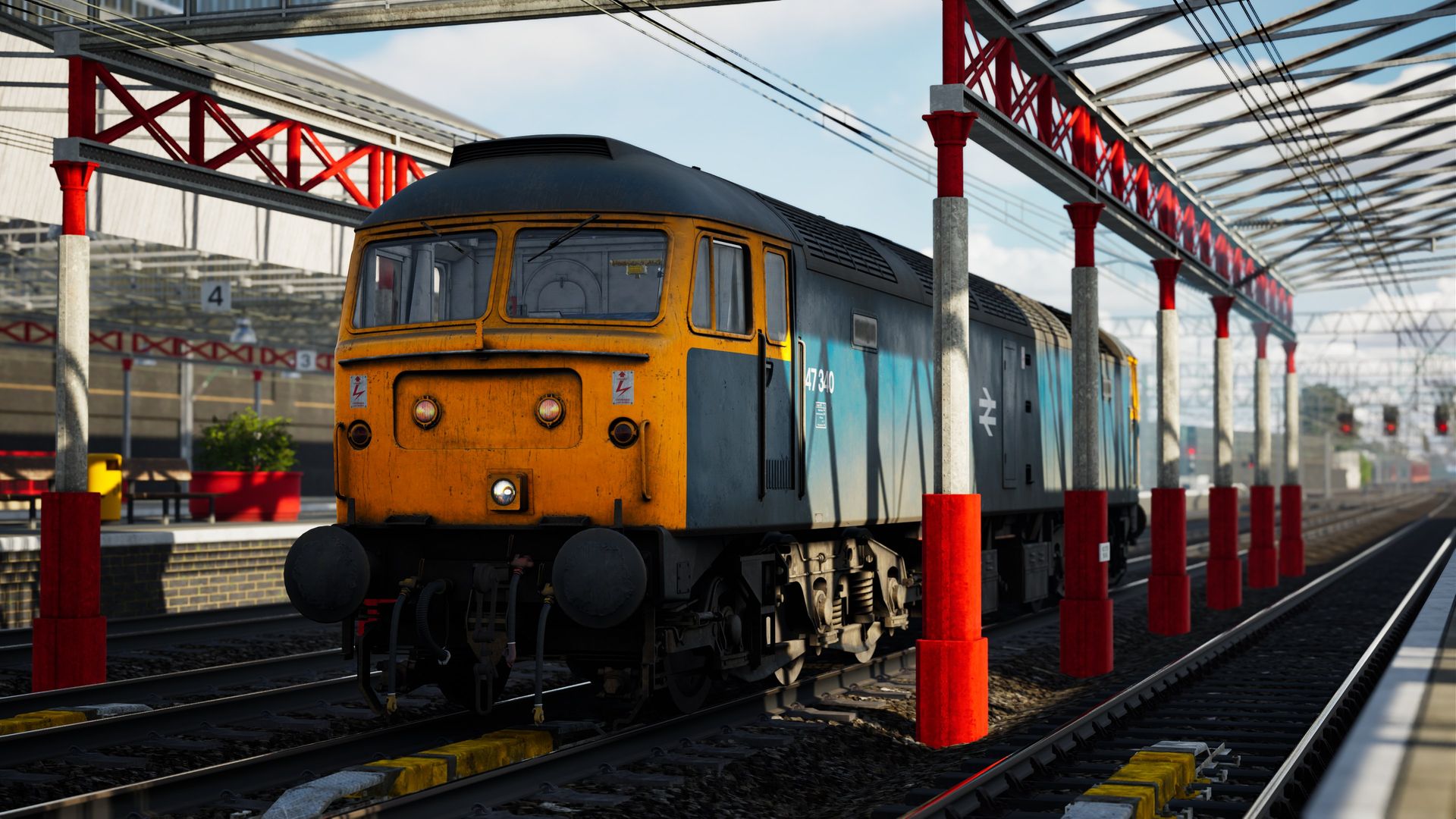
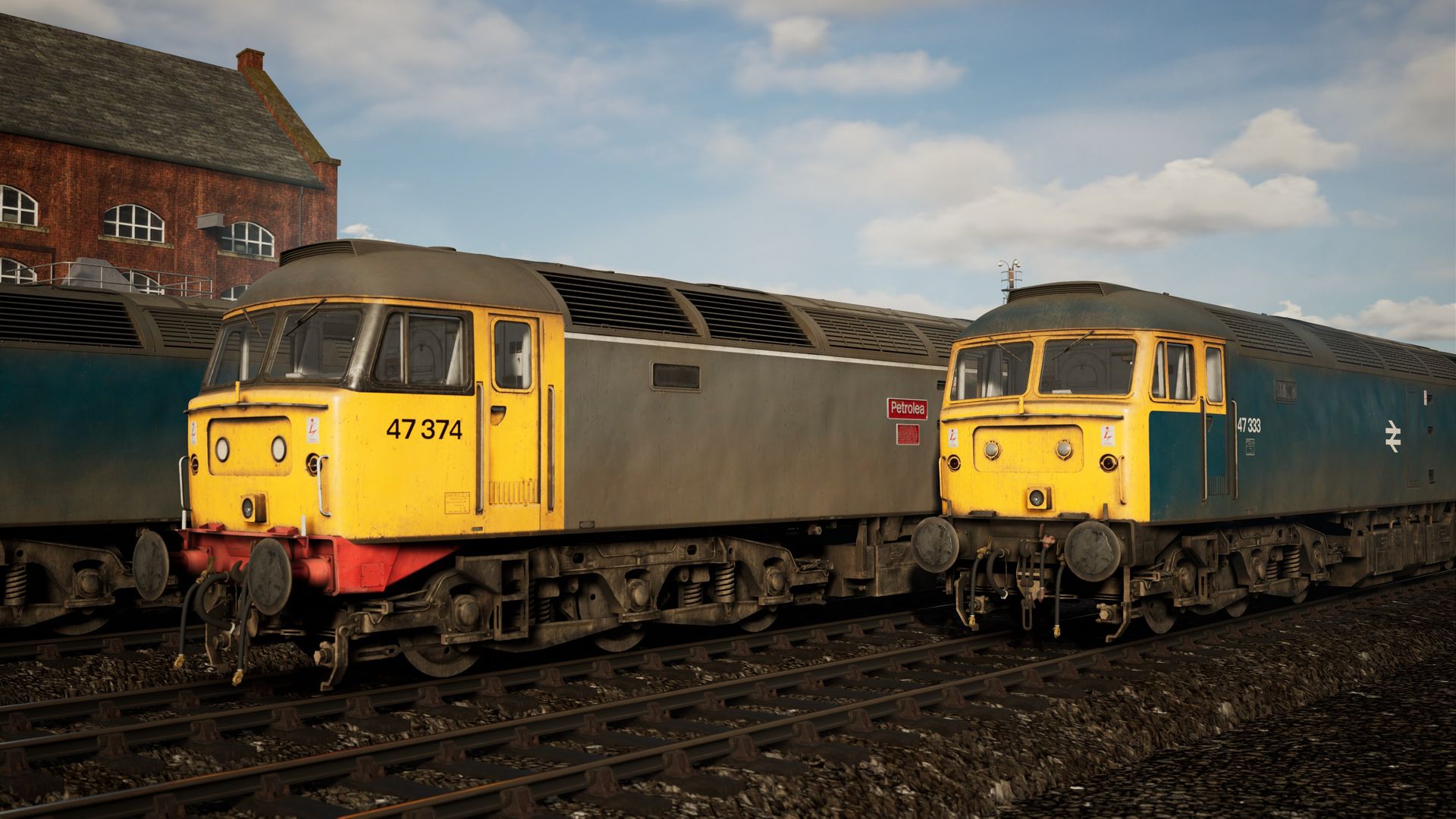
• Featured liveries – BR Blue, BR Blue (Stratford), BR Blue (Thornaby) and Railfreight Grey
Cab art changes/ enhancements:
• Class 47 cab model altered to accurately represent class 47/3 subclass, along with general improvements and era corrections
• Full cab remap (UV’s) and retextured from the ground up
Cab Bulkhead:
• TPWS Isolator removed
• AWS Air Horn added
• Slow Speed Control On/Off Switch added
• New Door Open/Close animations
Drivers Desk:
• Drivers switch bank proportion and layout corrected
• Tail Light Switch proportion and layout corrected
• Correct straight air brake control added
• Correct drivers fault panel added
• Train Heat buttons removed
• Anti Slip button removed
• Fire Bell test button added
• Overload reset button added
• Correct gauges added
• Slow Speed Control added (Speed set switch and gauge)
• Window heat strips and stickers added
• Headcode “porthole” added
Audio Changes and enhancements:
• Introduction of new audio, along with upgrading existing sounds
Exterior:
• Alternate idle sound
• Edited startup and shutdown
• New Rail Joints
• New Turbo
Cab:
• Full set of new cab interior sounds including startup and shutdown
• New Fire bell
• Working DSD with DVD
• New switch sounds
• New triple pump
We hope that update has given you an insightful look at what we have been working on regarding the Class 47/3/. We also invite you to view this selection of WIP screenshots showing off the Class 47/3. Looking very nice too!
That's it for now. We hope to bring you more on the latest route progress, soon.
28 August 2025
Welcome the In Development page for our upcoming TSW 6 route Crewe - Preston.
We'll be bringing you some updates in the coming weeks for now here are the introductory screenshots.
We have way more to show you covering all areas of the route. Look out for future updates.